01 / Abruzzo
Introduction
Abruzzo is a region where mountains, medieval villages and the Adriatic coast exist remarkably close to one another.
At its heart are the dramatic Apennines and Gran Sasso, surrounded by open plateaus, national parks and traditional communities. Villages such as Santo Stefano di Sessanio preserve their stone architecture and quiet atmosphere, while the spectacular fortress of Rocca Calascio looks out across the mountains.
Travel east and the scenery changes completely. Along the Costa dei Trabocchi, traditional wooden fishing platforms stretch out over the Adriatic—one of the region’s most distinctive coastal sights.
For property buyers, Abruzzo can offer more accessible prices than many of Italy’s famous destinations, as well as a choice between rural, mountain, village and coastal living.
But every location requires careful consideration. A remote mountain home may mean colder winters and fewer nearby services, while the coast can be busier and more expensive in popular areas. Older village properties may also require restoration and thorough technical checks.
Abruzzo is ideal for people who want nature, authenticity and a slower pace of life—without having to choose entirely between the mountains and the sea.
02 / Abruzzo
Food & lifestyle
Abruzzo is often described as the green heart of Europe, but its food reveals another side of the region: pastoral traditions, mountain resilience and a close relationship between the Apennines and the Adriatic Sea.
Perhaps its most famous speciality is the arrosticino. These small skewers of sheep meat are cooked over a long, narrow charcoal grill and eaten immediately, usually with bread, olive oil and a glass of Montepulciano d’Abruzzo. They are simple, sociable and deeply connected to the region’s shepherding history.
Another symbol of Abruzzese cooking is spaghetti alla chitarra. Fresh pasta dough is pressed through the strings of a wooden instrument resembling a guitar, producing long strands with a square shape. It is traditionally served with tomato sauce and tiny meatballs, known locally as pallottine.
The region also offers pallotte cacio e ova, made with cheese, egg and bread; sagne e fagioli; saffron from the Navelli plateau; mountain lentils; pecorino cheeses and ventricina from the Vasto area.
Abruzzo’s cuisine changes as you travel east. Along the Adriatic coast, fish soups, seafood and the traditional trabocchi — wooden fishing platforms extending above the sea — tell the story of a different way of life.
The region’s everyday rhythm reflects this variety. Mountain villages preserve strong community traditions, while coastal towns have a more maritime character. Family lunches, local festivals and outdoor meals remain an important part of social life.
Abruzzo feels rugged yet welcoming. In a relatively short journey, you can travel from high mountains and national parks to vineyards, medieval villages and the Adriatic coast.
03 / Abruzzo
Places & experiences
Abruzzo is often described as one of Italy’s greenest regions, where dramatic mountains, medieval villages and the Adriatic coast can all be experienced within the same journey.
Gran Sasso and Campo Imperatore
The Gran Sasso massif provides some of central Italy’s most impressive mountain scenery. Campo Imperatore’s vast plateau is ideal for scenic drives, walking and cycling, while the wider area also offers skiing and other winter activities.
Rocca Calascio and Santo Stefano di Sessanio
Rocca Calascio rises dramatically above the surrounding landscape and is one of Abruzzo’s most memorable sights. Nearby Santo Stefano di Sessanio is a beautifully preserved stone village where visitors can experience the atmosphere of the Apennines at a gentler pace.
The Trabocchi Coast
Along the Adriatic, traditional wooden fishing structures stand above the water. The Via Verde cycling and walking route makes it possible to experience stretches of coastline, small beaches and seaside towns without seeing everything from inside a car.
Sulmona
Set beneath the mountains, Sulmona has an elegant historic centre, medieval aqueduct and handsome piazzas. It is also famous for confetti—colourful sugared almonds traditionally associated with Italian celebrations.
Abruzzo suits people who want access to nature without giving up culture, historic towns or the sea. Its landscapes can feel wild and remote, but Rome is still comparatively accessible from parts of the region.
04 / Abruzzo
Everyday life
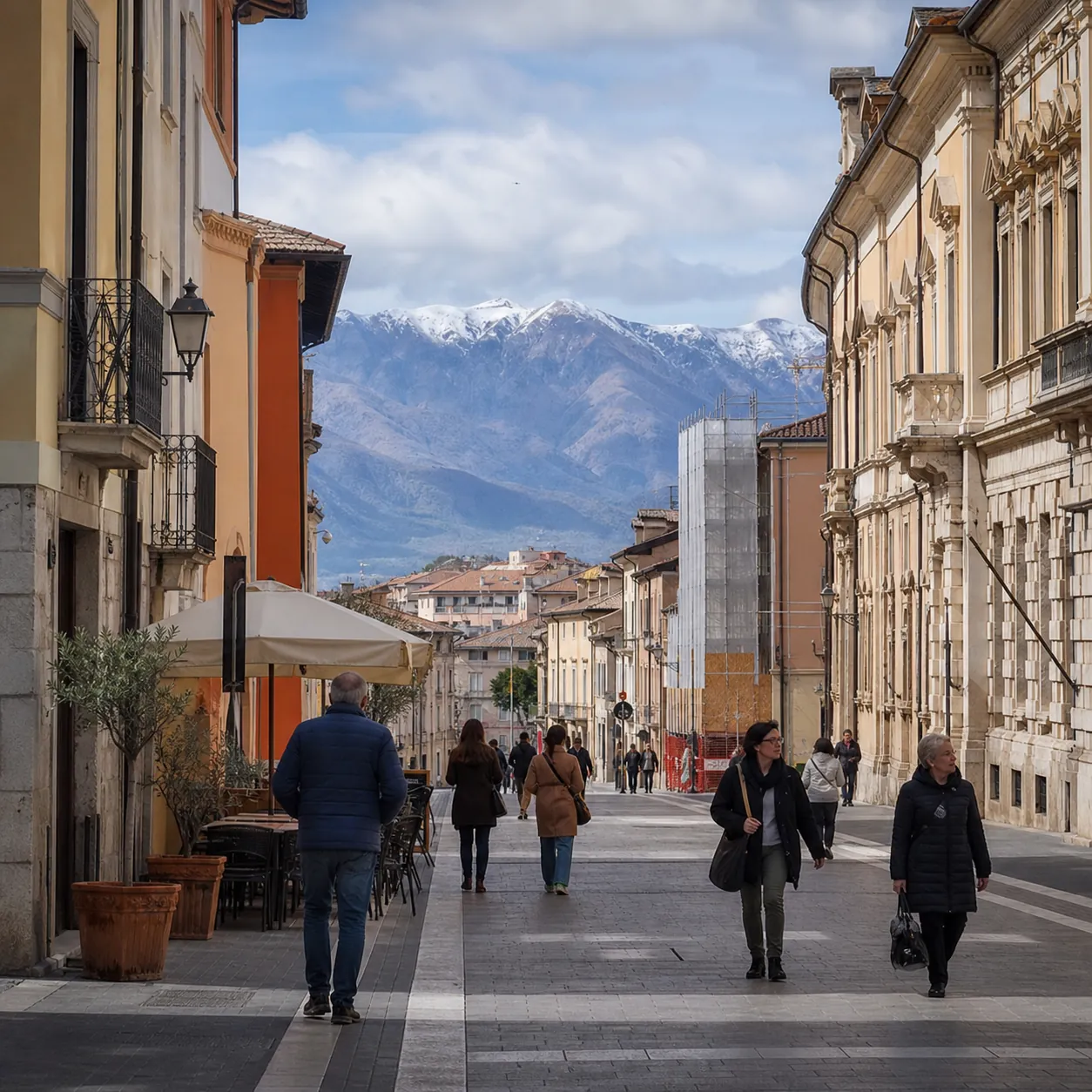
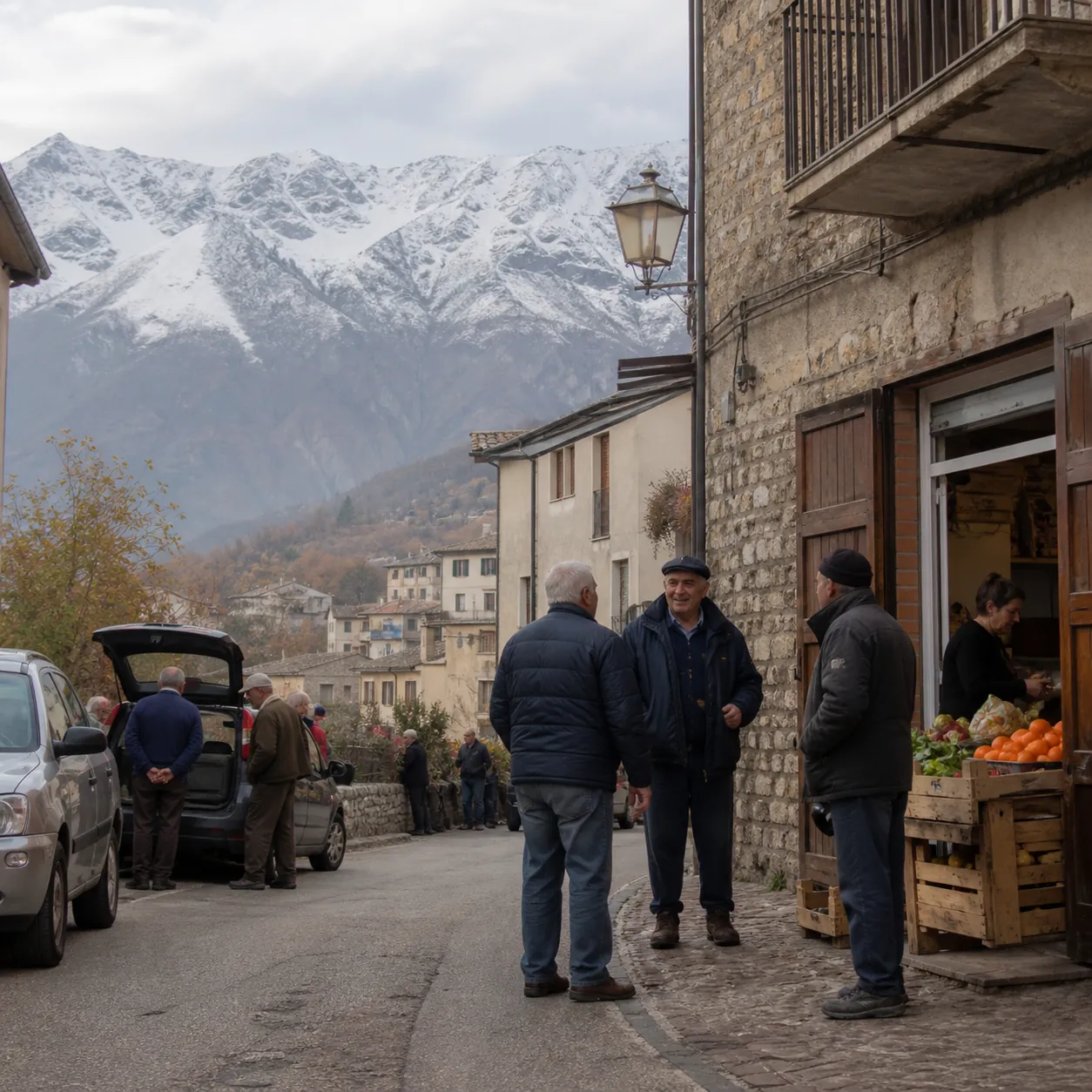
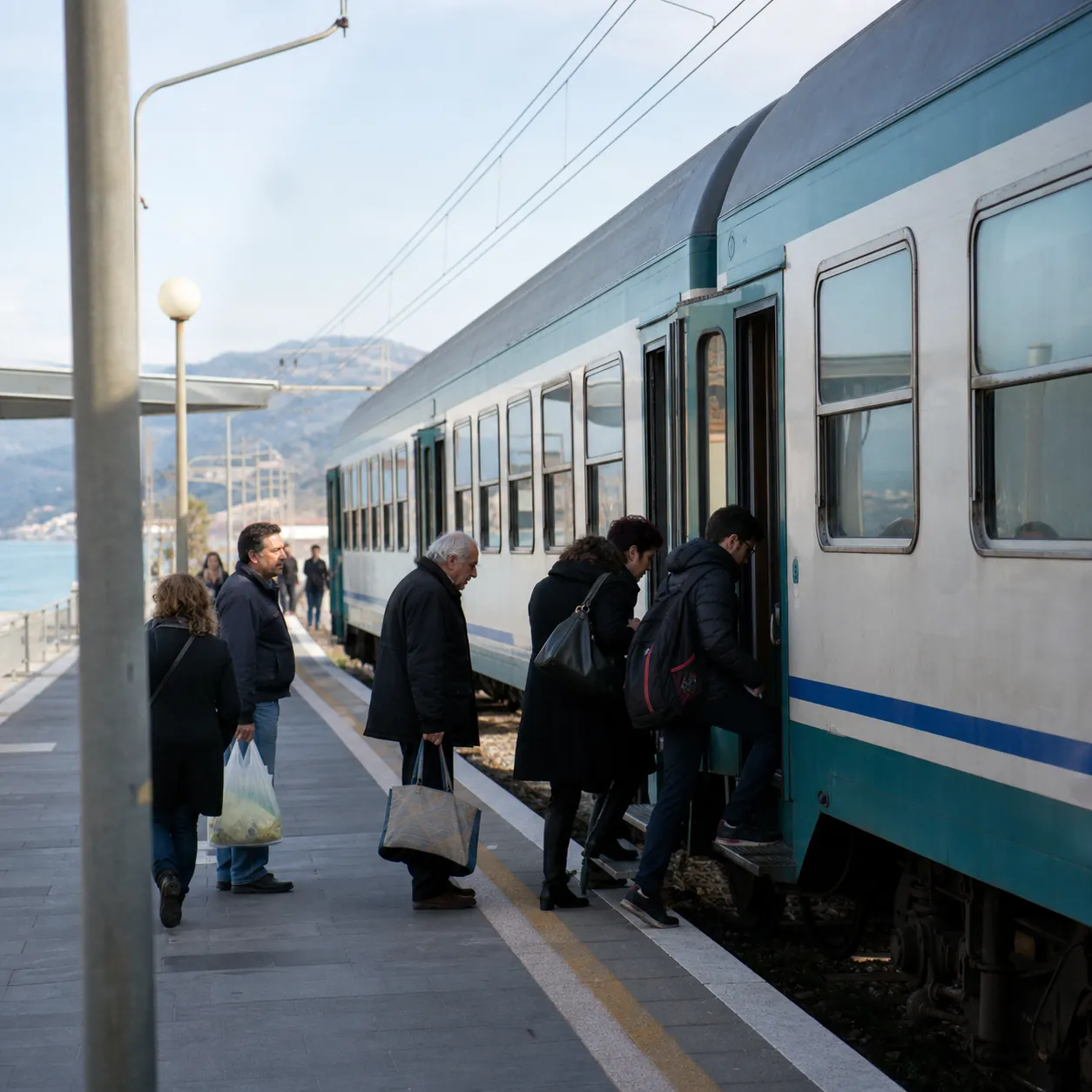
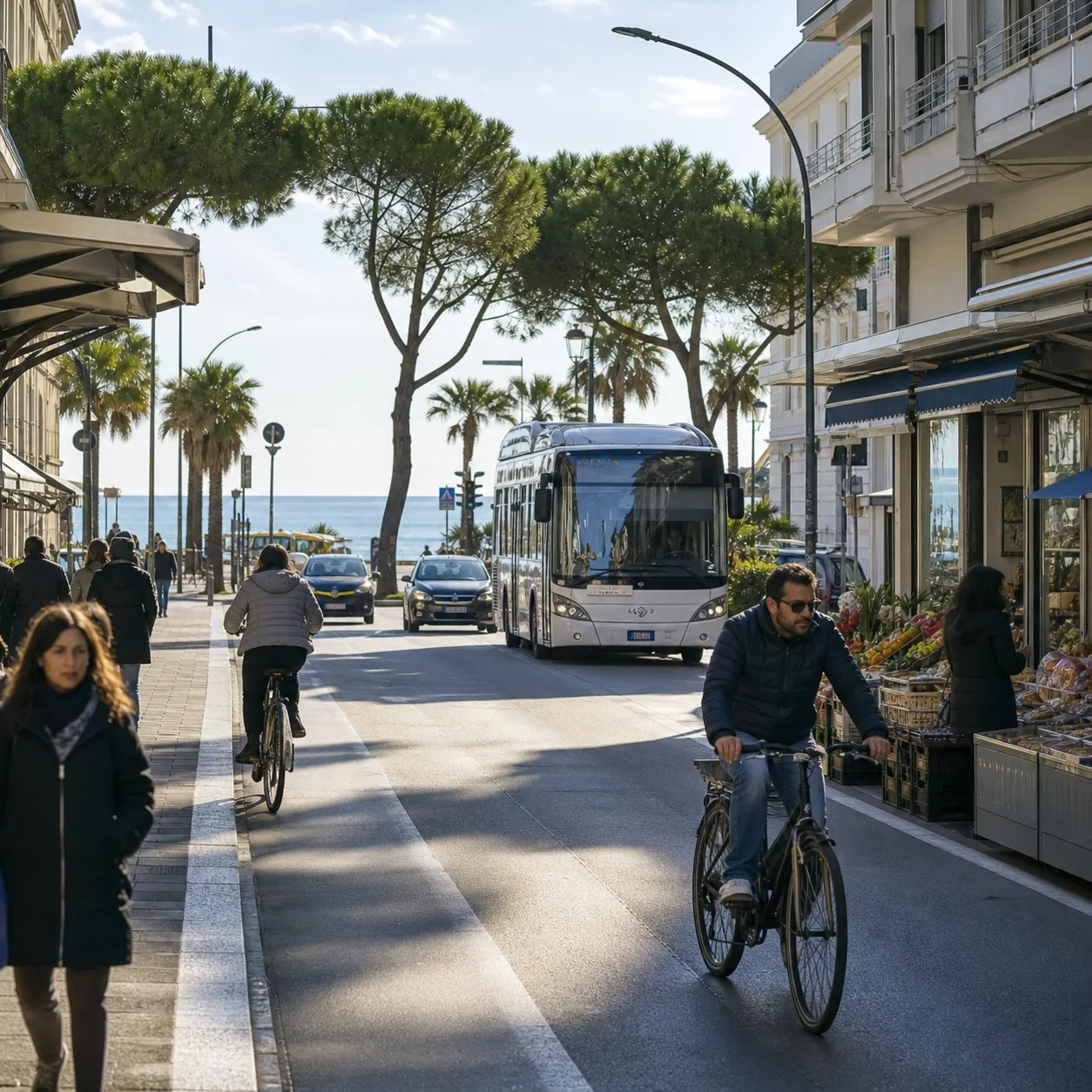
Illustrative scenes of regional life, created with AI.
Abruzzo combines two very different ways of life: the more connected Adriatic coast and a quieter, often more demanding, inland world of mountains and historic towns.
Pescara is the region’s largest urban centre and offers a practical year-round lifestyle, with shops, schools, healthcare, railway connections and an airport. The coastal corridor is generally easier for people who want services and public transport within reach.
L’Aquila feels completely different. Surrounded by the Apennines, it has colder winters and a strong mountain identity. Reconstruction remains part of its modern story, but so do university life, local businesses and the ordinary routines of a living regional capital.
In smaller towns and mountain villages, everyday life can be peaceful and closely connected to nature. People know their neighbours, local traditions remain visible and community relationships are important. However, shops and services may be limited, and some villages can feel very quiet outside holidays and summer visits.
A car is usually necessary inland. Winter weather, mountain roads and travelling times should be considered carefully—not only the distance shown on a map. Along the coast, trains and buses make some journeys easier, although transport becomes less convenient as you move away from the main routes.
Abruzzo can offer access to the sea, mountains and national parks within one region, but the daily experience changes considerably according to location. Life in central Pescara is not the same as life in an isolated mountain village.
Before choosing, imagine an ordinary Tuesday in February—not simply a beautiful summer holiday.
05 / Abruzzo
Property market
Abruzzo offers something unusual: Adriatic beaches, working cities, rural countryside and high mountains within one region.
That variety also means that its regional average tells only a small part of the story.
Pescara is the region’s principal commercial and transport centre. It offers an airport, railway connections, healthcare, shopping and a year-round urban market. Central and coastal neighbourhoods can command a premium.
Further south, Vasto and the Costa dei Trabocchi attract buyers looking for coastal living with access to historic towns and countryside. A sea view, proximity to the beach and year-round services can make a substantial difference to both price and demand.
L’Aquila has a completely different market. It is a university and administrative city surrounded by mountains. Buyers must pay particular attention to the building’s structural history, restoration documentation and seismic compliance—especially when considering older properties.
Abruzzo’s mountain resorts form another distinct market. Roccaraso illustrates how demand for ski and second homes can produce prices far above the regional average.
Then there are inland villages and country properties where prices may be far lower. Before buying, investigate:
- Structural and seismic condition
- Planning and cadastral compliance
- Roof, damp and insulation
- Winter access and heating costs
- Legal access, boundaries and utilities
- Distance from essential services
- Rental seasonality and management costs
- Future resale demand
Abruzzo may allow you to reach the beach, mountains and countryside without travelling enormous distances—but the correct location depends on the life you intend to lead.
A holiday apartment in Roccaraso, a home in Pescara and an isolated country house are not competing versions of the same purchase. They answer completely different needs.
This guide offers general regional context. Local services, conditions and property rules should be checked for your chosen location and plans. Property decisions need individual technical, legal and financial advice.