01 / Campania
Introduction
Campania is a region of extraordinary contrasts—energetic cities, ancient history, dramatic coastlines, celebrated islands and peaceful inland landscapes.
Naples is its beating heart: intense, creative and unmistakably alive, with Mount Vesuvius overlooking the bay. Nearby, Pompeii offers an extraordinary connection to the ancient Roman world, preserving streets and buildings beneath the volcano that changed its history.
Along the Amalfi Coast, towns appear to cling almost impossibly to the cliffs above the Mediterranean.
Then there are Campania’s islands. Capri is known around the world for its dramatic cliffs, elegant atmosphere, the Faraglioni and brilliant blue sea. Ischia offers thermal springs, beaches and a more spacious island landscape, while colourful Procida retains a quieter, more traditional character.
But Campania extends far beyond its most famous destinations. The Cilento coast, rural countryside and inland villages reveal a slower and less discovered side of the region.
For anyone considering life here, location makes an enormous difference. Naples offers culture, services and connectivity; the celebrated coastal areas and Capri can be beautiful but busy and expensive; island life brings charm alongside practical limitations; and quieter inland communities may offer space and authenticity but fewer services.
Campania does not whisper—it welcomes you with energy, history, colour and personality.
02 / Campania
Food & lifestyle
Few regions have influenced the world’s idea of Italian food as much as Campania.
Pizza may be its most famous creation, but the regional table extends far beyond Naples. Campania brings together volcanic soil, fertile plains, mountains, islands and an extraordinary coastline — each contributing something different.
The traditional Neapolitan pizza represents simplicity perfected: carefully prepared dough, tomato, cheese, basil and intense heat from a wood-fired oven. It is not merely a meal but part of the social life and identity of Naples.
Mozzarella di Bufala Campana is another regional treasure, traditionally produced in areas of Caserta and Salerno. Its name recalls the action of mozzare — separating pieces from the stretched curd by hand.
Campania also gives us San Marzano tomatoes, Pasta di Gragnano, gnocchi alla sorrentina, pasta with ragù, parmigiana, minestra maritata and spaghetti with the colatura di alici produced in Cetara.
Along the coast and islands, seafood takes centre stage. Sorrento and the Amalfi Coast are associated with intensely fragrant lemons, while the region’s wines include Fiano di Avellino, Greco di Tufo, Falanghina and Taurasi.
Desserts deserve their own journey: sfogliatella, babà, pastiera, struffoli and torta Caprese each carry a piece of regional history.
Food in Campania is expressive and deeply social. Sunday lunch is rarely hurried. Markets are lively, recipes inspire passionate discussion and everyday life often takes place outdoors — in neighbourhood streets, courtyards, cafés and piazzas.
Naples has its unmistakable energy, but Campania also includes the elegant islands, the Amalfi and Sorrento coasts, the rural landscapes of Caserta and Benevento, and the quieter mountains of Irpinia and Cilento. It is a region of many different worlds joined by generosity and a powerful sense of identity.
It is almost impossible to choose, but which Campanian speciality could you never resist?
03 / Campania
Places & experiences
Campania is energetic, theatrical and extraordinarily varied. It contains one of Italy’s most distinctive cities, globally important archaeological sites, famous islands and some of the Mediterranean’s most celebrated coastline.
Naples and its bay
Naples is a city to experience rather than simply observe. Explore its historic streets, churches, markets and museums; try its famous food; and look across the bay towards Mount Vesuvius. It can feel intense and chaotic, but its personality and history are impossible to separate from its appeal.
Pompeii and Herculaneum
The ancient cities buried by the eruption of Vesuvius offer an extraordinary insight into Roman life. Streets, houses, public spaces and artworks survive in remarkable detail. They deserve time rather than a hurried visit.
The Amalfi Coast
Amalfi, Positano, Ravello and the surrounding villages combine dramatic cliffs, historic architecture and beautiful sea views. The coast can be explored by road, boat or walking routes such as the Path of the Gods—but visitors should be prepared for crowds, steps and challenging traffic during the busiest months.
Capri and the islands
Capri’s cliffs, Faraglioni and famous Blue Grotto make it unforgettable, while Ischia offers thermal traditions and a more spacious island experience. Smaller Procida has colourful waterfronts and a more intimate atmosphere.
Further south, the Cilento coast offers beaches, villages and landscapes that can feel quieter than Campania’s internationally famous destinations.
Campania rewards curiosity, but it is important to experience its everyday realities as well as its postcard views.
04 / Campania
Everyday life
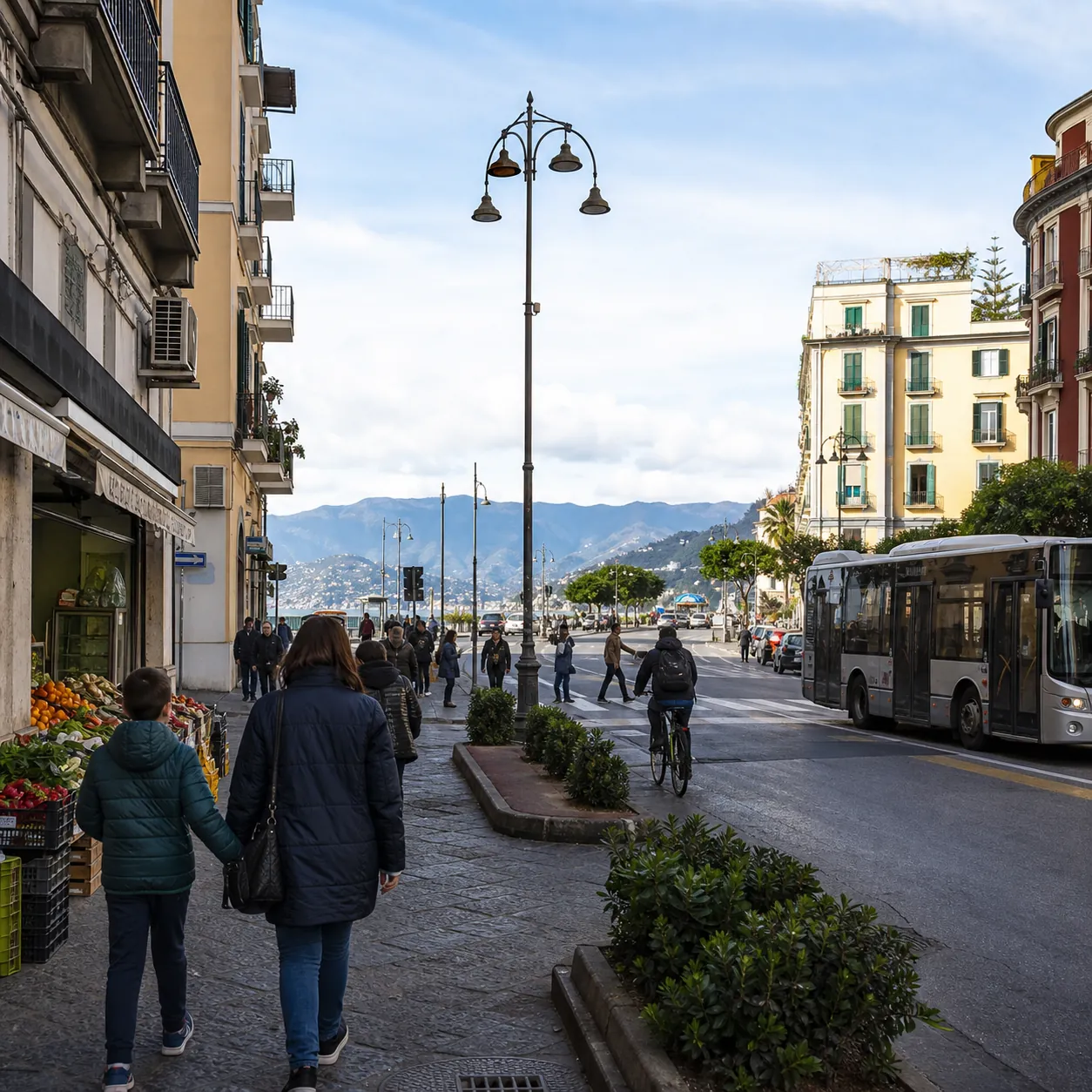
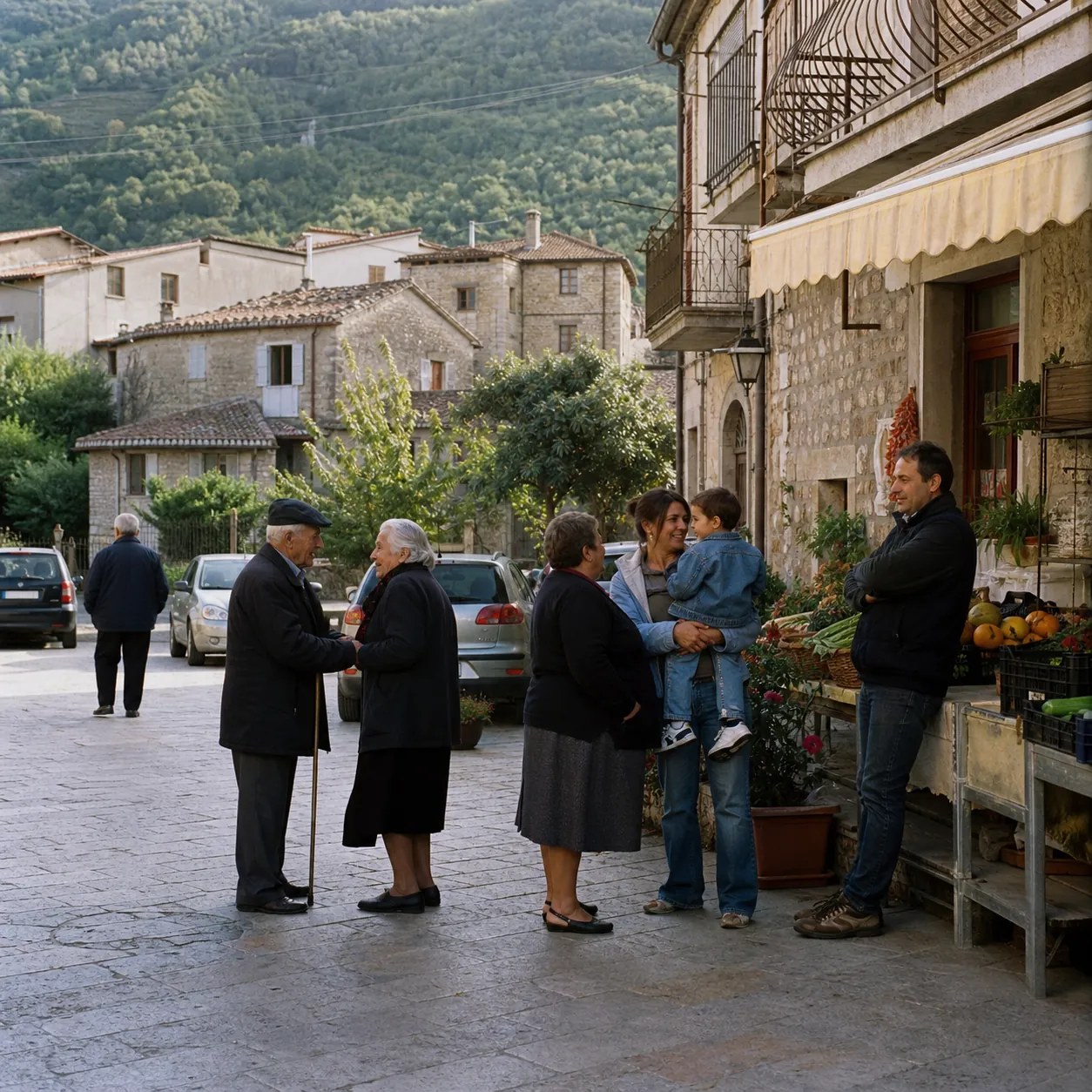
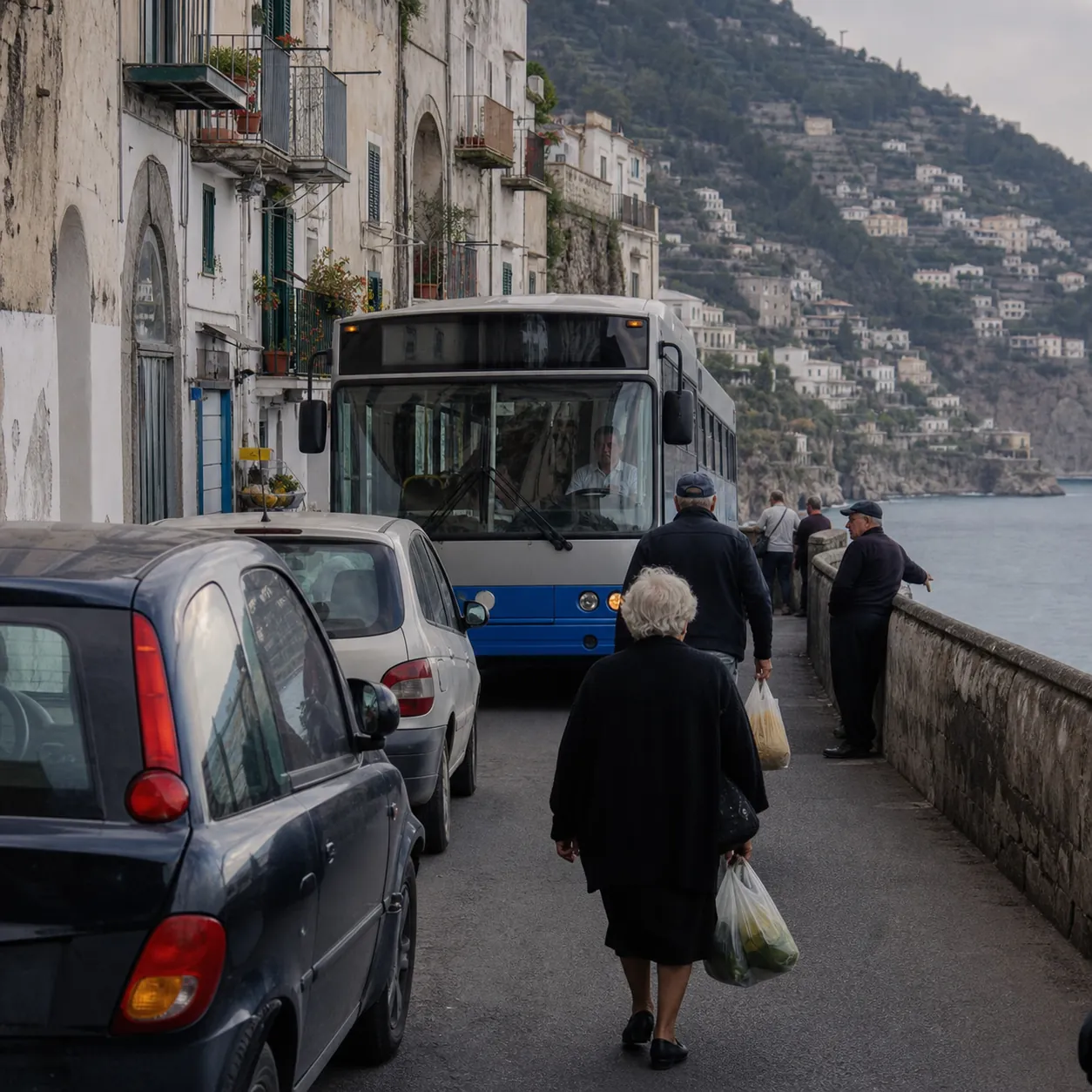
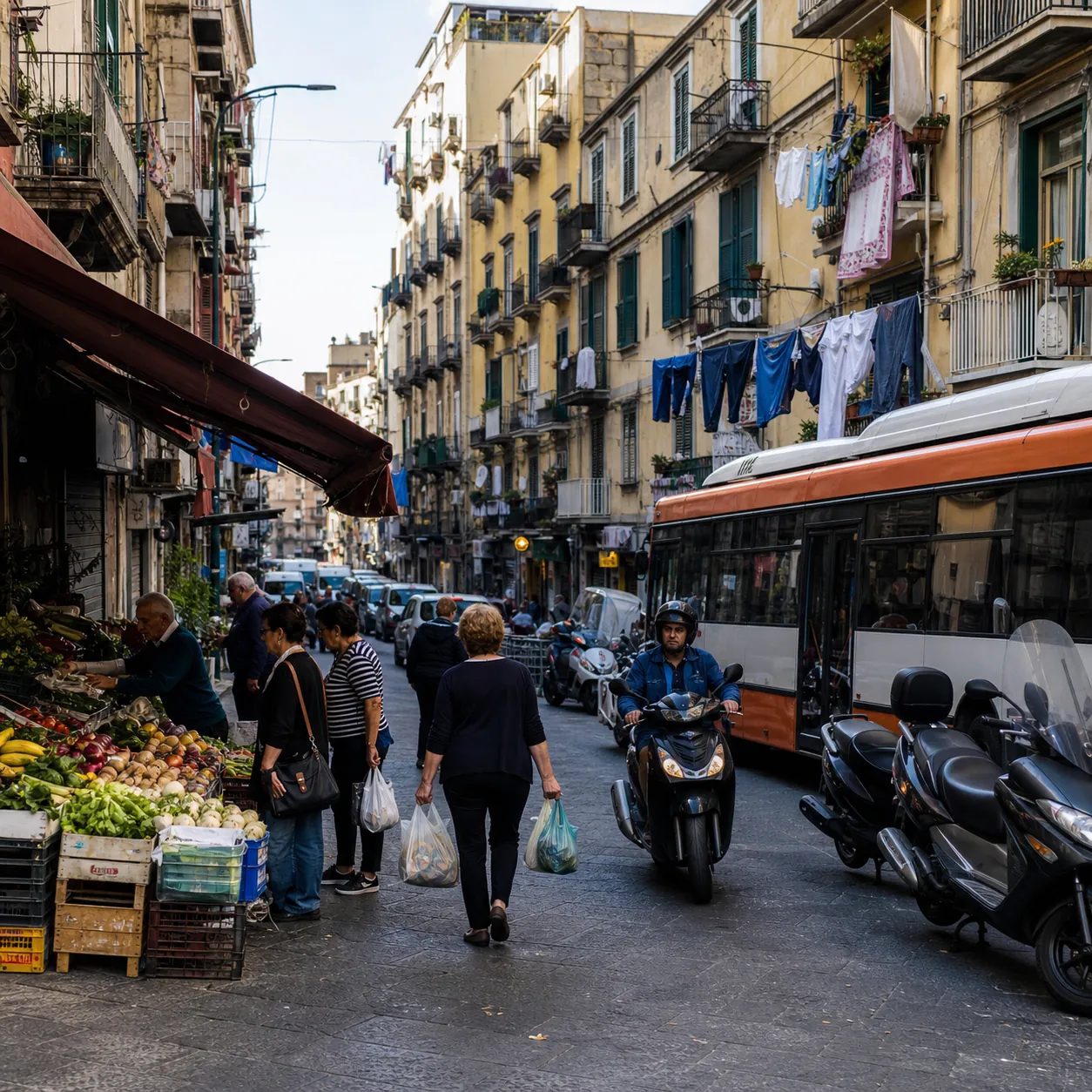
Illustrative scenes of regional life, created with AI.
Campania contains some of Italy’s most celebrated places, but everyday life here is far more varied than the familiar holiday images suggest.
Naples is energetic, densely populated and intensely social. Markets, neighbourhood shops, public transport, schools and businesses create a city that feels alive throughout the year. It offers extensive services and connections, but traffic, noise, parking and the pace of city life can be challenging. The experience can also change significantly from one neighbourhood to another.
Salerno offers a smaller and often more manageable urban environment, with everyday services, railway connections and a waterfront that belongs to residents as much as visitors.
Move inland towards Avellino, Benevento or rural Irpinia and the rhythm changes again. Smaller communities can offer space, green landscapes and strong personal relationships. Family and local networks remain important, but a car is commonly needed and access to services varies considerably.
The Amalfi Coast, Sorrento and the islands may appear idyllic, but permanent life has practical realities. Roads are narrow, parking is scarce and summer congestion can make simple journeys difficult. Some businesses and transport services are seasonal, so it is important to understand both the busiest weeks of summer and the quieter winter months.
Trains, ferries and buses make travel possible along certain routes, but connections are not equally convenient everywhere. The precise location can completely alter daily life.
Campania may suit someone who enjoys energy, sociability and a strong sense of place. But choosing well means looking beyond the view and understanding how you will shop, travel, work and manage ordinary responsibilities throughout the year.
Where could you imagine yourself: Naples, Salerno, the islands, the famous coast or Campania’s quieter interior?
05 / Campania
Property market
Campania contains some of Italy’s most internationally recognisable locations—but it also contains large year-round cities, agricultural areas and inland provinces where property prices are considerably lower.
Naples is a complex urban market. Prices vary considerably between neighbourhoods, with sought-after areas such as Posillipo and Chiaia operating differently from more affordable districts.
Buying in Naples requires close attention to the individual building, neighbourhood and property documentation. Buyers should investigate condominium finances, planned works, lift access, noise, parking, previous alterations and the legal status of the property.
The Amalfi Coast, Sorrento Peninsula and islands of Capri and Ischia operate within a very different international and luxury market. Scarcity, exceptional views and global demand can support high prices.
A view is not everything, however.
Steep stairways, limited road access, restricted parking and the practical difficulty of completing building work can transform ownership costs. A property that looks perfect during a holiday may be challenging to furnish, maintain or manage remotely.
Elsewhere, Caserta offers a year-round residential market, while Avellino, Benevento and their surrounding countryside can provide far more space for the budget.
Important checks include
- Planning and cadastral compliance
- Structural and seismic condition
- Condominium records and future expenditure
- Access, parking and lift availability
- Damp, salt exposure and drainage
- Restrictions affecting historic properties
- Holiday-rental regulations and seasonality
- Evacuation and volcanic-risk planning in relevant areas
- Realistic maintenance and management costs
Campania can offer city life, islands, famous coastlines or peaceful inland countryside. But purchasing in a globally recognised destination requires more than falling in love with the view.
This guide offers general regional context. Local services, conditions and property rules should be checked for your chosen location and plans. Property decisions need individual technical, legal and financial advice.