01 / Emilia-Romagna
Introduction
Emilia-Romagna stretches from the Apennine Mountains to the Adriatic coast and combines historic cities, productive countryside, seaside resorts and one of Italy’s most celebrated culinary traditions.
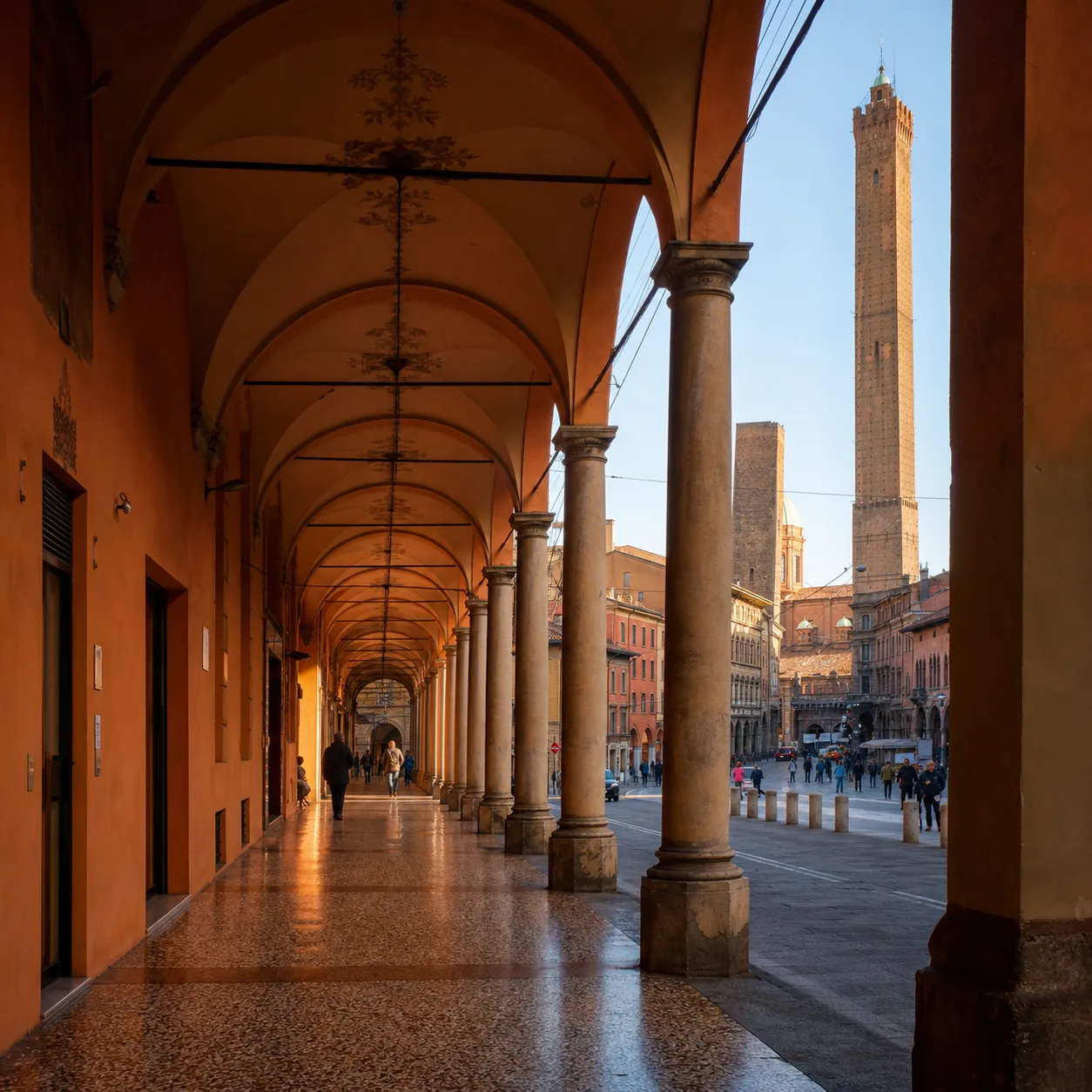
Bologna, the regional capital, is famous for its warm red architecture and kilometres of elegant porticoes. It is a lively university city where centuries of history sit comfortably alongside everyday modern life.
Ravenna offers something completely different. Once an important capital of the Western Roman Empire, it is renowned for its extraordinary early-Christian buildings and luminous Byzantine mosaics.
Parma brings graceful architecture, music and culture, while Modena is closely associated with Italy’s famous Motor Valley. Beyond the cities, the region includes vineyards, orchards, medieval villages and peaceful landscapes rising towards the Apennines.
Along the Adriatic coast, places such as Rimini add beaches and a more energetic holiday atmosphere—another example of how varied this region can be.
- Images:
- 1. Bologna’s porticoes
- 2. Ravenna and the Basilica of San Vitale
- 3. Parma’s Piazza Duomo
- 4. The Emilia-Romagna Apennines
02 / Emilia-Romagna
Food & lifestyle
Emilia-Romagna is often described as Italy’s food capital—and it has certainly earned that reputation.
This is the home of Parmigiano Reggiano, Prosciutto di Parma, traditional balsamic vinegar from Modena and Mortadella Bologna.
Mortadella is enormously popular throughout Italy but is still not as widely understood internationally. Authentic Italian mortadella is delicately seasoned and recognisable by the small white pieces of fat distributed through each slice. It is delicious on its own or inside a freshly made panino—and quite different from the processed “bologna” familiar to many Americans.
The region is also famous for handmade pasta. In Bologna and throughout much of Emilia, tagliatelle is traditionally served with ragù—not “spaghetti Bolognese”—while tortellini may arrive in a fragrant broth. Other favourites include tortelloni, lasagne verdi and cappelletti.
Making pasta is more than a cooking technique. Recipes and skills pass between generations, often around a large wooden board, as families roll, cut and fill the pasta together.
Further east, Romagna has its own character. Piadina is filled with cheese, cured meat or vegetables, while the Adriatic coast contributes seafood and a lively seaside lifestyle.
From Bologna’s historic porticoes to Parma, Modena, Ravenna and the surrounding countryside, food here is inseparable from family, tradition and community.
03 / Emilia-Romagna
Places & experiences
Emilia-Romagna is celebrated for its food, but its places and experiences offer just as much variety.
Bologna
Bologna is defined by its warm terracotta colours, medieval towers and kilometres of porticoes. These covered walkways are not merely monuments; they form part of daily life, connecting homes, shops, cafés and the university. Bologna feels historic, energetic and genuinely lived in.
Ravenna
Ravenna was once a capital of the Western Roman Empire and later became an important centre of Byzantine Italy. Inside its churches and monuments are extraordinary early Christian mosaics whose colours and golden surfaces remain astonishing after many centuries.
The Motor Valley
Emilia-Romagna is also associated with some of Italy’s most famous automotive and motorcycle traditions. Museums, factories, private collections and racing circuits make the area around Modena and Bologna a destination for anyone interested in design, engineering and performance.
Parma
Parma has a refined and manageable historic centre, with its cathedral, distinctive pink-marble Baptistery, elegant streets, theatres and strong musical tradition. It offers culture on a more intimate scale than Bologna while still feeling active throughout the year.
This is a region where medieval streets, Byzantine art, music and advanced engineering all coexist. That contrast is precisely what makes Emilia-Romagna so interesting.
04 / Emilia-Romagna
Everyday life
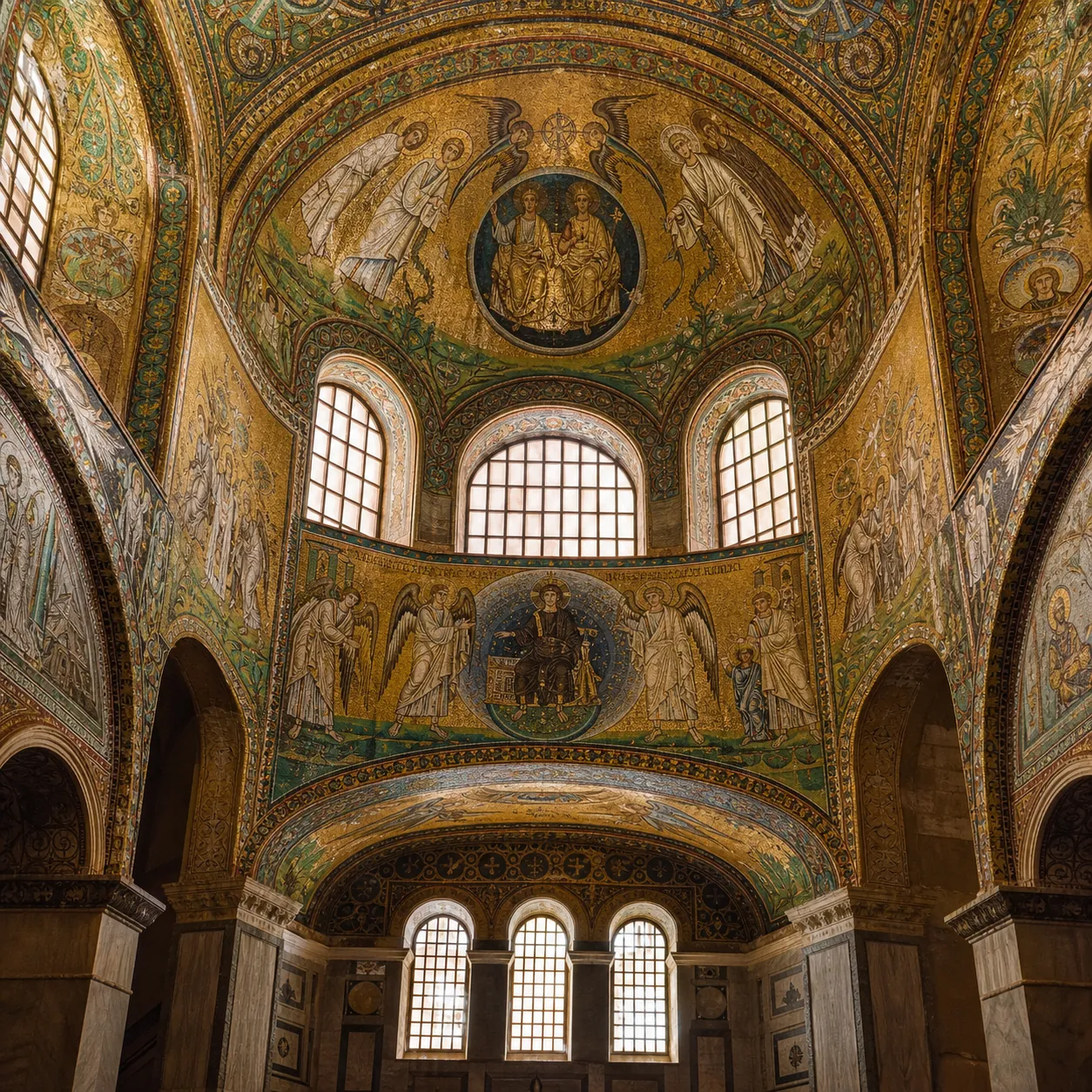
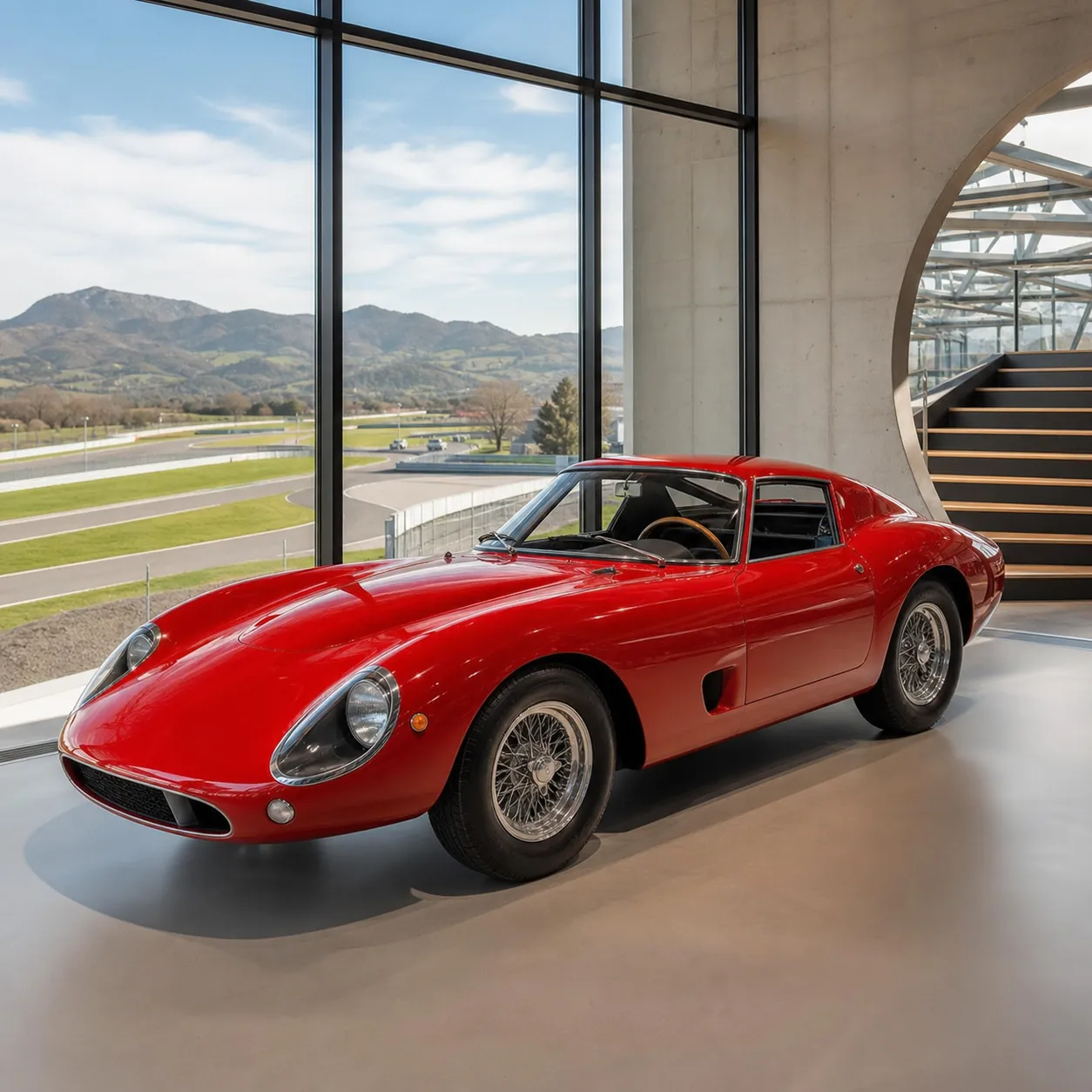
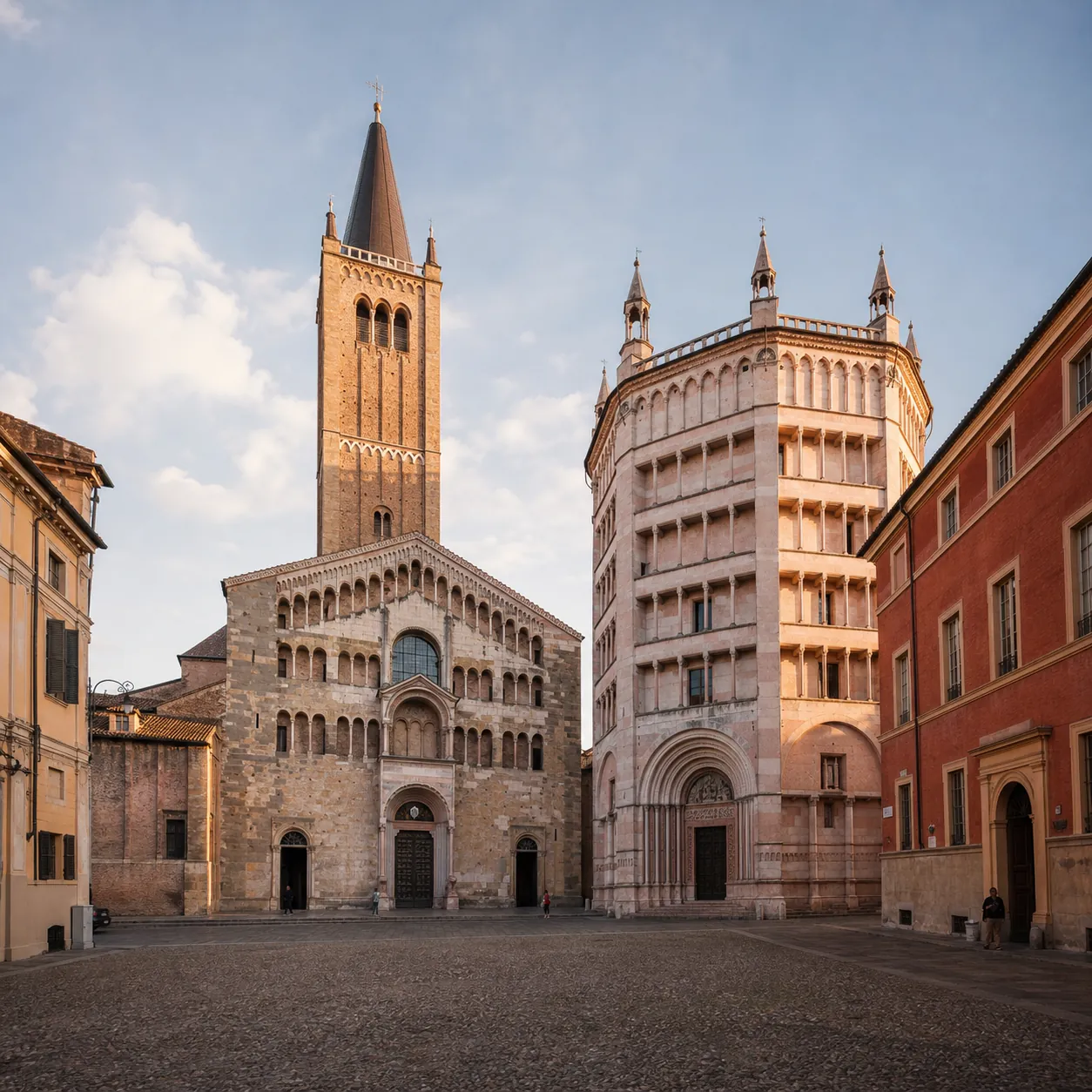
Illustrative scenes of regional life, created with AI.
Emilia-Romagna combines historic cities, productive countryside, Adriatic resorts and an economy that is among the strongest in Italy. It is a region known for enjoying life, but it also works extremely well by Italian standards.
Bologna offers university life, culture, employment and excellent rail connections. Parma, Modena, Reggio Emilia, Ferrara, Ravenna and Piacenza each have a distinct identity while remaining manageable places in which to live. Along the Adriatic, towns such as Rimini, Riccione and Cesenatico have a very different rhythm, particularly during the summer season.
One of the most noticeable aspects of everyday life is practicality. Many towns are relatively flat and cycling is part of the daily routine. Regional trains and major roads connect the principal centres, making it possible in some locations to live in a smaller town while commuting elsewhere. Bologna’s position on the national rail network is particularly valuable.
The porticoes, markets, bars and piazzas are not simply attractions; they form part of ordinary life. People meet for coffee, shop for fresh ingredients, cycle to work and gather for an aperitivo or passeggiata at the end of the day. Food is taken seriously, but its importance goes beyond famous products—it is part of family life, hospitality and regional identity.
Services, healthcare, education and employment opportunities are generally stronger than in many parts of Italy. This can make the region particularly suitable for permanent living rather than only holidays.
There are, however, practical considerations. Summers on the plains can be very hot and humid, while winters may be cold, damp and foggy. Bologna and the most desirable parts of other cities can be expensive. Traffic and air quality can also be concerns in urban and industrial areas.
The Adriatic coast is lively and highly organised in summer but much quieter outside the season. The Apennine areas offer space, nature and lower prices, although transport and access to services become more limited.
Emilia-Romagna may suit someone who wants culture, good connections, reliable services and a strong sense of local life without needing to live in Italy’s largest cities. It offers a particularly convincing balance between quality of life and practicality.
But the choice of location remains essential. Living beneath Bologna’s porticoes, in an elegant provincial city, near the Adriatic or in the Apennines produces four very different versions of the region.
05 / Emilia-Romagna
Property market
Emilia-Romagna is often associated with its food, but from a property perspective it is also one of Italy’s most varied and economically active regions.
Bologna operates at a different level from much of the region. Employment, universities, transport connections and limited central supply can support demand, but two apparently similar apartments can differ considerably in value according to the street, condition, floor, lift and condominium.
Cities such as Parma, Modena and Reggio Emilia offer year-round living, established local economies and excellent food and cultural traditions. Here, buyers should consider the neighbourhood as carefully as the property: transport, parking, services and commuting patterns can all affect future demand.
The Romagna coast offers another market entirely. Areas around Rimini and other seaside towns can attract both residents and holiday buyers, but seasonality, condominium costs and tourist-rental rules need to be understood.
In the Apennines, asking prices can be much lower. That affordability can be attractive, but buyers should investigate winter access, heating costs, local services, structural condition and future resale demand.
Across the region, local flood and seismic risk, energy efficiency, planning compliance and condominium expenditure should form part of the due-diligence process.
Emilia-Romagna is not one property market—it is several distinct markets within one region.
This guide offers general regional context. Local services, conditions and property rules should be checked for your chosen location and plans. Property decisions need individual technical, legal and financial advice.