01 / Le Marche
Introduction
Sometimes described as “Italy in miniature,” Le Marche brings together an extraordinary variety of landscapes within one region: Adriatic beaches, rolling countryside, medieval hill towns and the dramatic Sibillini Mountains.
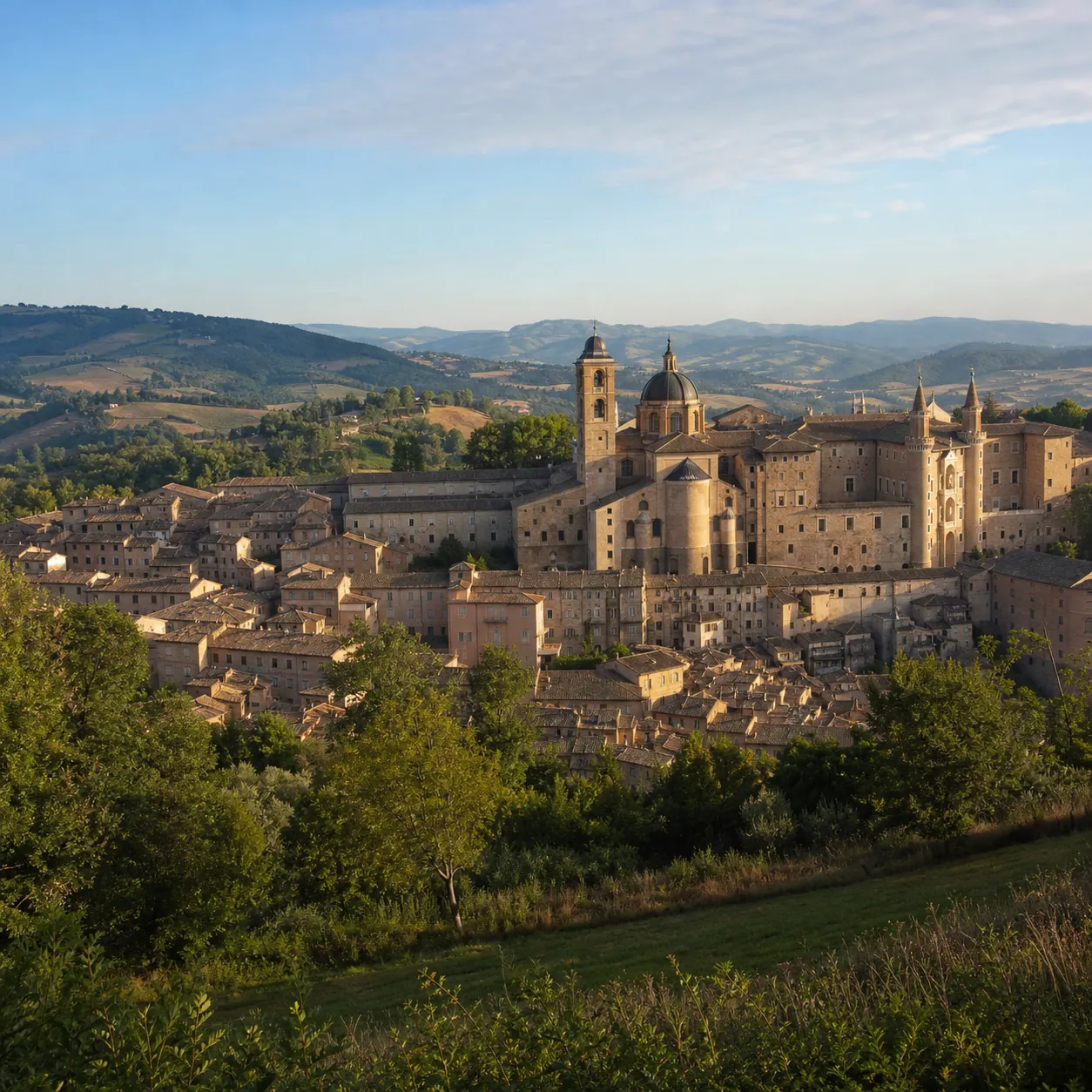
Urbino is one of the region’s cultural treasures. Its beautifully preserved Renaissance centre and magnificent Palazzo Ducale reflect a time when the city was an important centre of art, architecture and learning.
Along the coast, the Conero Riviera offers white cliffs, green hills and clear Adriatic water. Inland, peaceful villages and farmland gradually rise towards the Sibillini Mountains, creating a completely different landscape.
Le Marche feels authentic and wonderfully varied. It offers art, history, beaches, mountains and a gentler pace of life—often without the international crowds found in some of Italy’s better-known regions.
Could Le Marche be your undiscovered corner of Italy?
- Images:
- 1. Urbino
- 2. Ascoli Piceno
- 3. The Conero Riviera
- 4. The Sibillini Mountains
02 / Le Marche
Food & lifestyle
Le Marche is a region of rolling countryside, medieval hill towns, mountains and Adriatic beaches. Its food reflects this geography, moving from rich rural recipes inland to seafood dishes along the coast.
I have a lovely family memory connected to Ascoli Piceno.
While visiting my mother’s aunt, I mentioned how much I liked olive ascolane. The following day, she returned with an enormous box of them. I cannot remember how many kilos it contained, but I do remember that my freezer was completely full—and that I continued eating olive ascolane for the next six months!
That is Italian hospitality: if you tell an aunt that you like something, she will make absolutely certain you never run out of it.
Olive ascolane are one of the region’s best-known specialities. Large green olives are carefully pitted, filled with a seasoned meat mixture, coated in breadcrumbs and fried until golden. They require time and patience, so traditionally they were associated with celebrations and special family occasions.
Le Marche offers many other distinctive flavours. Vincisgrassi is a rich, layered baked pasta often regarded as the region’s answer to lasagne. Crescia is a local flatbread served with cheeses, vegetables and cured meats, while ciauscolo is a soft, spreadable salami typical of the inland areas.
Along the coast, brodetto—a traditional fish stew—changes subtly from one town to another. The regional table is completed by pecorino, truffles, local olive oil and wines such as Verdicchio and Rosso Piceno.
The lifestyle can be wonderfully balanced. Towns such as Ascoli Piceno, Urbino and Macerata offer history and culture, while the countryside remains peaceful and the Adriatic coast is never very far away.
Life here is closely tied to family, local markets, seasonal festivals and long meals shared around the table—sometimes followed by six months’ worth of stuffed olives!
Do you have a relative who always sends you home with far more food than you could possibly eat?
03 / Le Marche
Places & experiences
Le Marche is one of those Italian regions that can surprise people who have not yet explored it. Between the Apennines and the Adriatic, it combines Renaissance towns, underground landscapes, dramatic coastline and elegant historic centres.
Urbino
Urbino is one of Italy’s great Renaissance cities and the birthplace of Raphael. Its historic centre rises across a hillside, dominated by the Palazzo Ducale. Walking through its steep streets reveals university life, quiet courtyards and wonderful views over the surrounding countryside.
The Frasassi Caves
Hidden beneath the Apennines is an enormous underground world of caverns, stalactites and stalagmites. Some chambers are so vast that it is difficult to appreciate their scale until you see the tiny figures of visitors beneath the formations. It is one of the region’s most remarkable natural experiences.
The Conero Riviera
Monte Conero creates a striking break in the otherwise gentler Adriatic coastline. Forested cliffs descend towards white-pebble beaches and clear blue water, while towns such as Sirolo and Numana offer views, coastal walks and access to small bays.
Ascoli Piceno
Ascoli Piceno is distinguished by its beautiful travertine architecture. Piazza del Popolo is often described as one of Italy’s most elegant squares, but the surrounding streets, arcades, churches and bridges are equally rewarding to explore.
Le Marche offers an appealing balance: culture without the intensity of Italy’s busiest destinations, countryside within reach of the coast and towns that continue to feel genuinely lived in.
04 / Le Marche
Everyday life
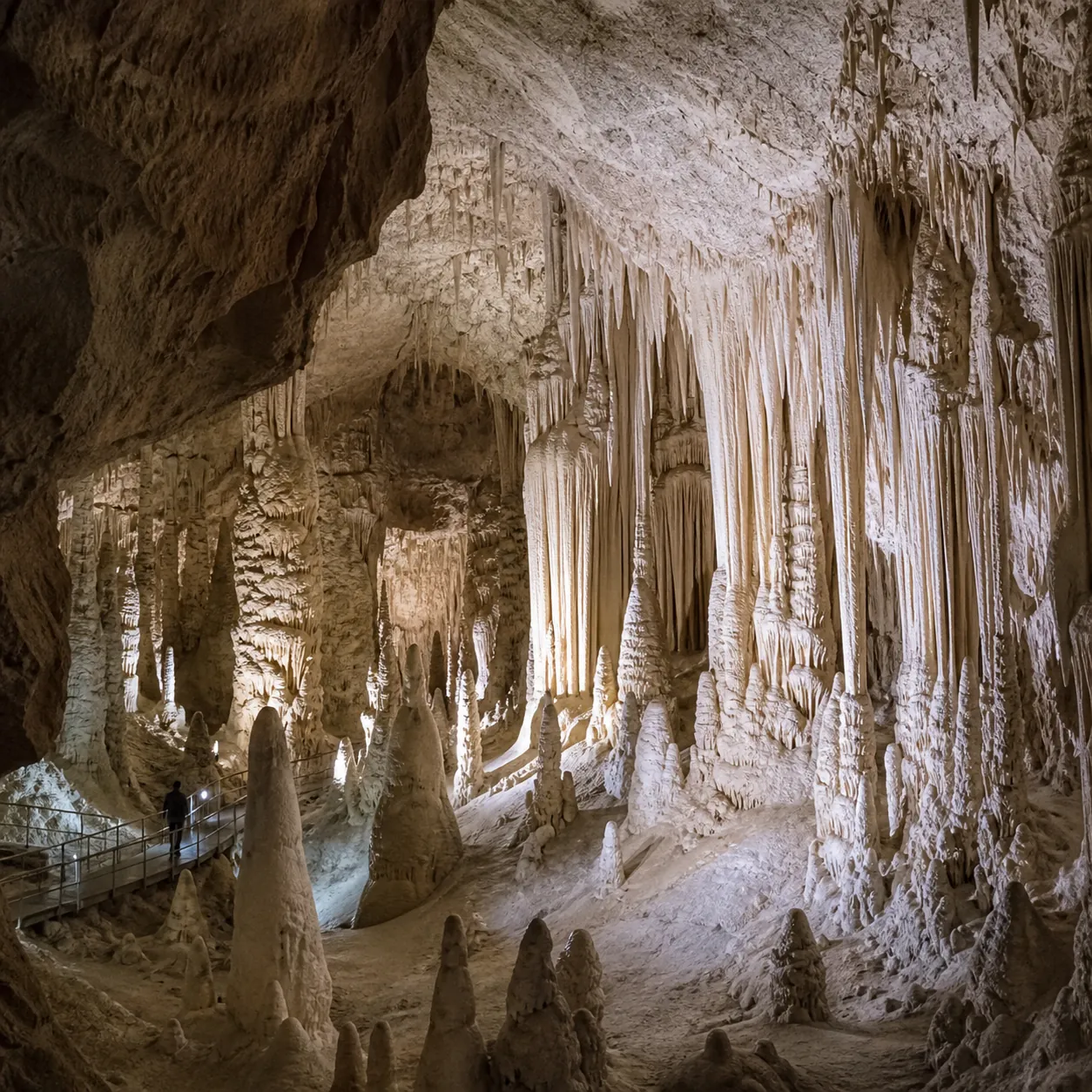
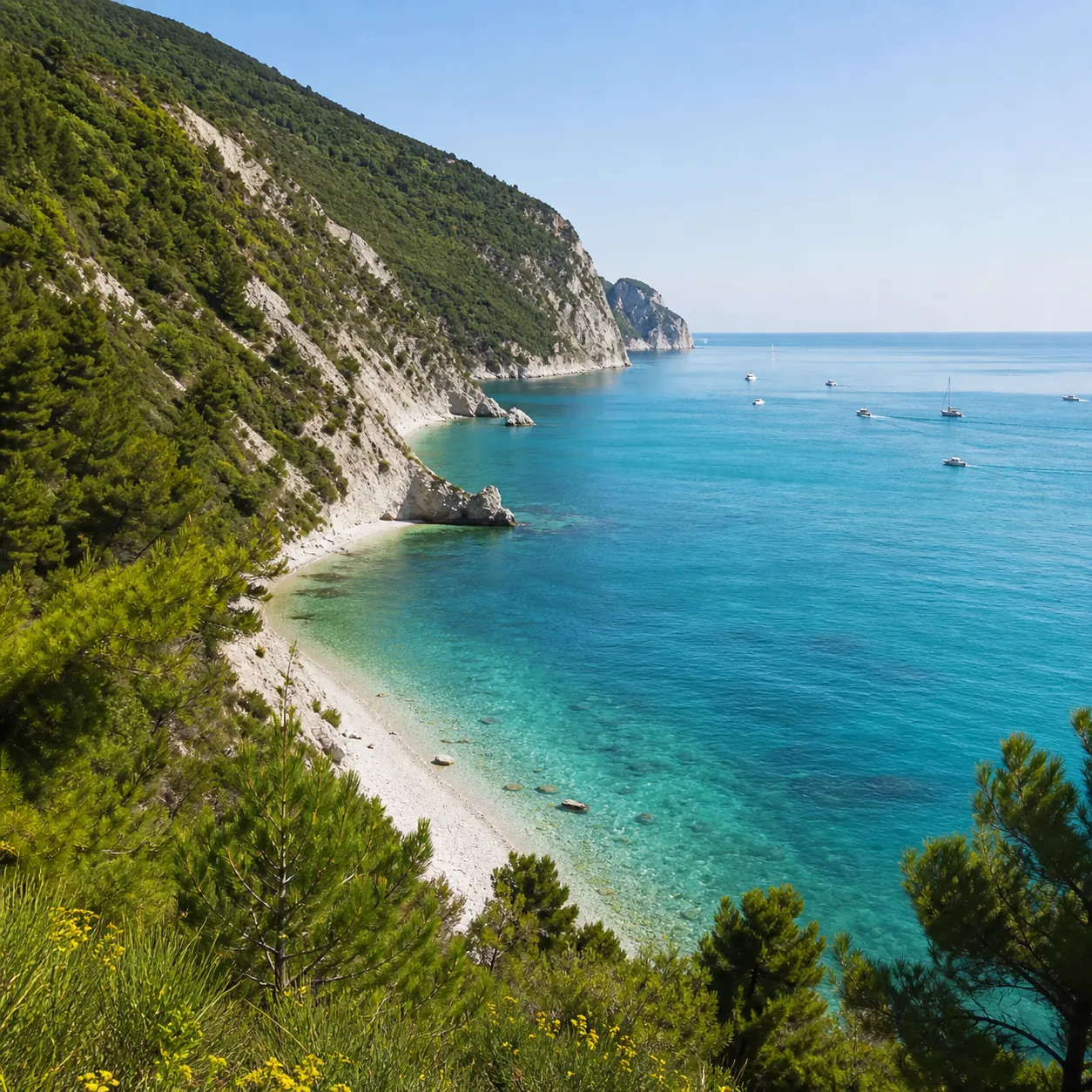
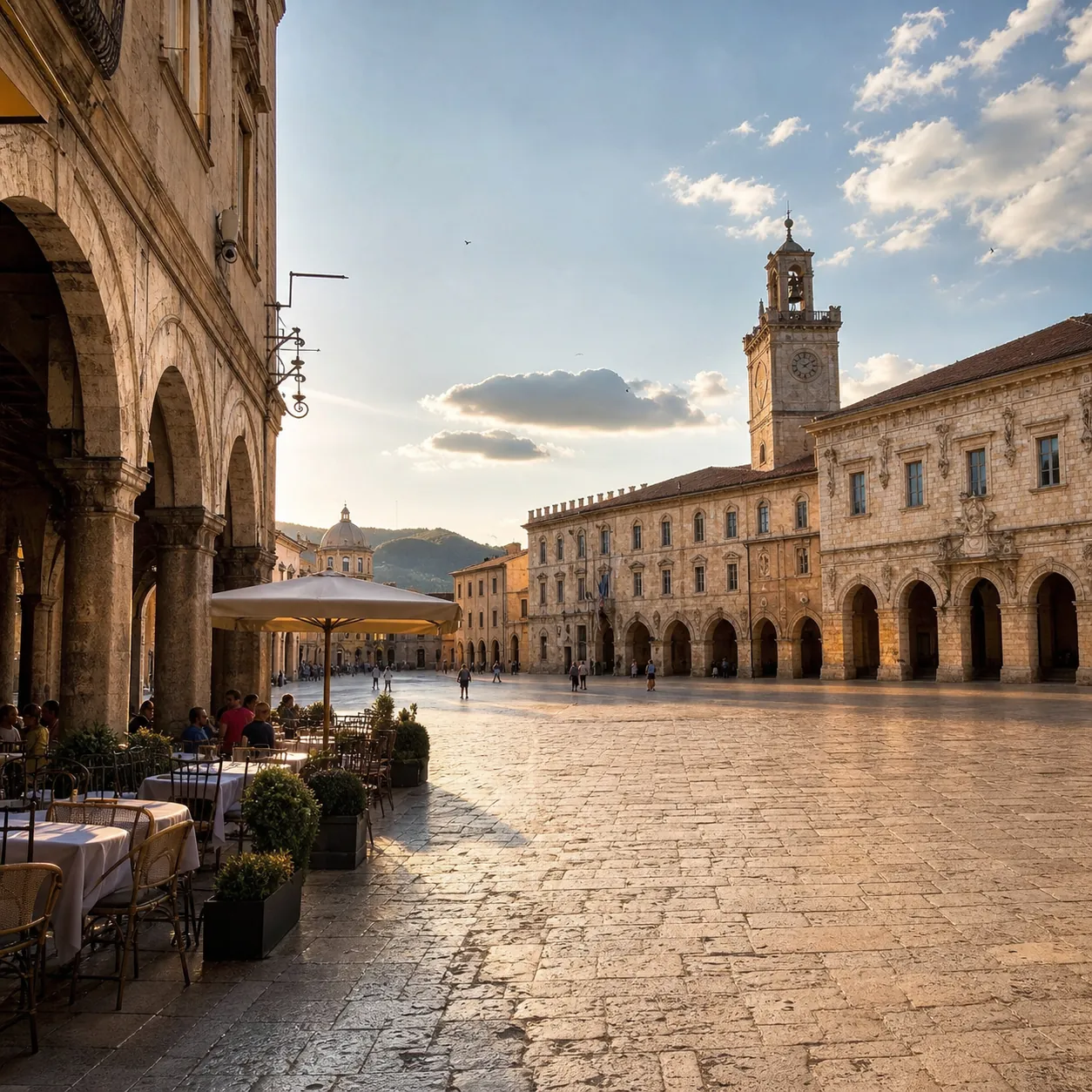
Illustrative scenes of regional life, created with AI.
Le Marche often appeals to people who want the beauty and traditions of central Italy without living in one of its busiest or most internationally famous regions.
Daily life varies considerably between the Adriatic coast, the larger towns and the rural interior. Ancona is the regional capital and principal transport and employment centre, while towns such as Pesaro, Fano, Senigallia and San Benedetto del Tronto offer a more coastal lifestyle. Inland, places including Urbino, Macerata, Fermo and Ascoli Piceno have a slower and more traditional character.
Life is often centred on family, work and the local community. People shop at neighbourhood businesses and weekly markets, meet at the bar and take an evening walk through the town centre or along the seafront. In smaller communities, relationships develop gradually, but once you become known, the sense of belonging can be very strong.
The coast is generally livelier, flatter and better connected. It suits people who want beaches, services and easier access to the railway running along the Adriatic. Summer brings visitors and more activity, while winter is considerably quieter.
Inland Le Marche offers countryside, historic towns and more space, but everyday life can require greater organisation. A car is usually essential, and some villages have limited shops, public transport and medical services. A beautiful isolated home may feel wonderfully peaceful in summer but very different during a wet winter week.
The landscape is one of the region’s great attractions: cultivated hills, vineyards, olive groves and the Apennines, with the sea often within reach. However, distances can be deceptive. A destination that appears close on a map may involve winding country or mountain roads.
The cost of daily life can be more manageable than in Tuscany or the major Italian cities, although sought-after coastal locations and attractive historic centres command higher prices. Some inland areas provide excellent value, but affordability should always be weighed against access to services and future resale demand.
Le Marche can suit people looking for a genuine Italian lifestyle, a balanced pace and less internationalisation. It may feel too quiet for someone who wants a large expatriate community, extensive entertainment or frequent international flights.
The important question is not simply whether Le Marche is beautiful—it certainly is—but whether coastal convenience, town life or rural tranquillity best matches the way you genuinely intend to live.
05 / Le Marche
Property market
Le Marche remains one of Italy’s most interesting regions for buyers who want beautiful landscapes, historic towns and access to the Adriatic—without the international profile or prices associated with neighbouring Tuscany.
The Conero coast, including Numana and Sirolo, and the most desirable parts of Senigallia can command premiums. The precise setting matters more than a regional average.
Ancona offers a practical, year-round environment. It may appeal to buyers who value transport connections, shops, healthcare and everyday services.
Ascoli Piceno offers a different lifestyle, with historic-centre homes and surrounding residential areas. Further inland, some towns and villages offer significantly lower asking prices.
However, an inexpensive country house is not automatically good value.
Rural and historic properties may require careful checks involving structural condition, seismic history, planning compliance, cadastral records, road access, boundaries, utilities, drainage and the legal status of any additional buildings. On the coast, humidity, salt exposure, parking and seasonal demand also deserve attention.
Le Marche can suit many different buyers—but the right choice depends on whether you want a coastal holiday home, a year-round city base, a historic town or a peaceful countryside property.
This guide offers general regional context. Local services, conditions and property rules should be checked for your chosen location and plans. Property decisions need individual technical, legal and financial advice.