01 / Molise
Introduction
Molise may be one of Italy’s least talked-about regions—but perhaps that is part of its charm.
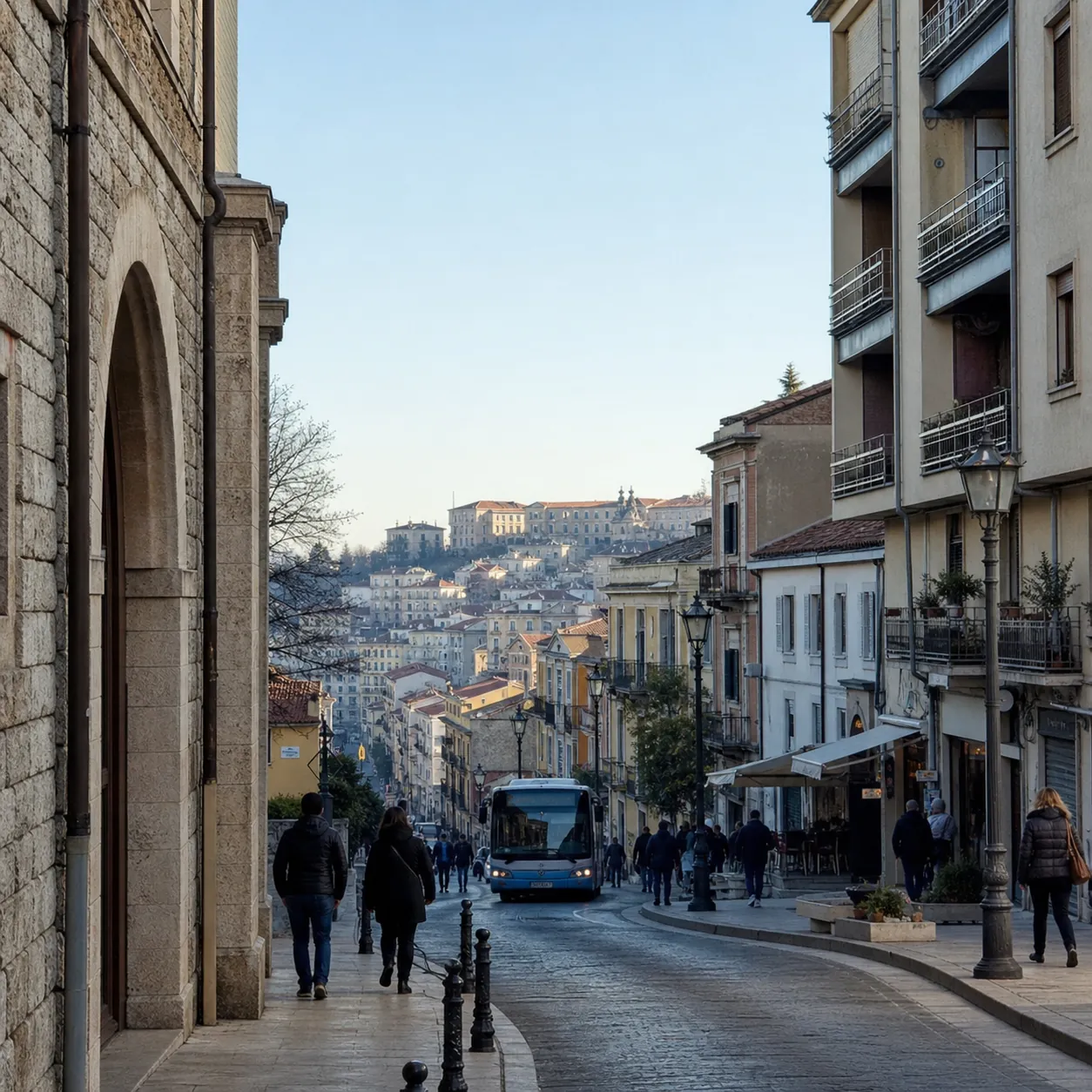
Set between the Apennine mountains and the Adriatic Sea, Molise offers a quieter and more traditional side of Italian life. Here you will find medieval hilltop villages, unspoilt countryside, mountain landscapes and the colourful coastal town of Termoli.
For property buyers, Molise can be interesting precisely because it remains relatively undiscovered. Prices may be more accessible than in Italy’s best-known regions, but buyers should also consider the realities of rural living: fewer international connections, limited services in smaller villages and properties that may require renovation.
Molise will not suit everyone—and that is exactly why choosing the right Italian region is about much more than finding a beautiful house. It is about finding the lifestyle that works for you.
02 / Molise
Food & lifestyle
Molise is one of Italy’s smallest and least explored regions.
Molisano cooking is honest, hearty and closely connected to farming, pastoral life and the changing seasons. It developed in family kitchens where bread, homemade pasta, vegetables, pork, cheese and whatever the land provided were treated with care and nothing was wasted.
Cavatelli are among the region’s best-known pasta shapes. These small pieces of dough are traditionally shaped by hand and served with rich meat sauces, vegetables or pulses. Fusilli also have a strong connection with Molise and were traditionally formed around a thin metal rod.
Pampanella is another distinctive speciality: pork seasoned generously with garlic and red pepper before being roasted. The region is also known for excellent cheeses, including caciocavallo from Agnone, pecorino, scamorza and stracciata.
The countryside produces extra-virgin olive oil, truffles and robust wines such as Tintilia. Along the Adriatic coast, the cuisine changes. In Termoli, the local brodetto — traditionally known as u vredette — celebrates the fish brought home by local fishermen.
Molise’s identity is also linked to the tratturi, the ancient grassy routes once used to move livestock between seasonal pastures. Transhumance shaped the landscape, the economy and many of the region’s food traditions.
Everyday life here tends to be quiet and personal. Small communities remain important, village festivals bring families together and hospitality is often warm but understated. Molise does not try to compete for attention — it rewards those who take the time to discover it.
03 / Molise
Places & experiences
Molise may be one of Italy’s smallest and least explored regions, but that is precisely part of its appeal. It offers a quieter, more intimate experience of Italy, with historic towns, mountains, countryside and a short but beautiful Adriatic coastline.
Termoli
The region’s principal coastal town combines beaches and a fishing harbour with a historic centre enclosed by medieval walls. Walk through its narrow streets, visit the Swabian Castle and look out towards the traditional trabucchi—wooden fishing platforms extending over the sea.
Campitello Matese
In the Matese mountains, Campitello offers skiing in winter and walking, cycling and fresh mountain air during the warmer months. It shows a completely different side of Molise from the Adriatic coast.
Agnone
This handsome hill town is renowned for its centuries-old tradition of bell-making. It is a fascinating place to discover local craftsmanship, churches, stone streets and the quieter rhythms of inland Molise.
Saepinum
The archaeological site of Saepinum contains the remains of a Roman town surrounded by open countryside. Ancient gates, streets, public buildings and the theatre make it an atmospheric place where history feels unusually close.
Molise will not suit someone looking for constant entertainment or large international communities. It is better suited to those who value authenticity, nature, space and a slower pace of life.
04 / Molise
Everyday life
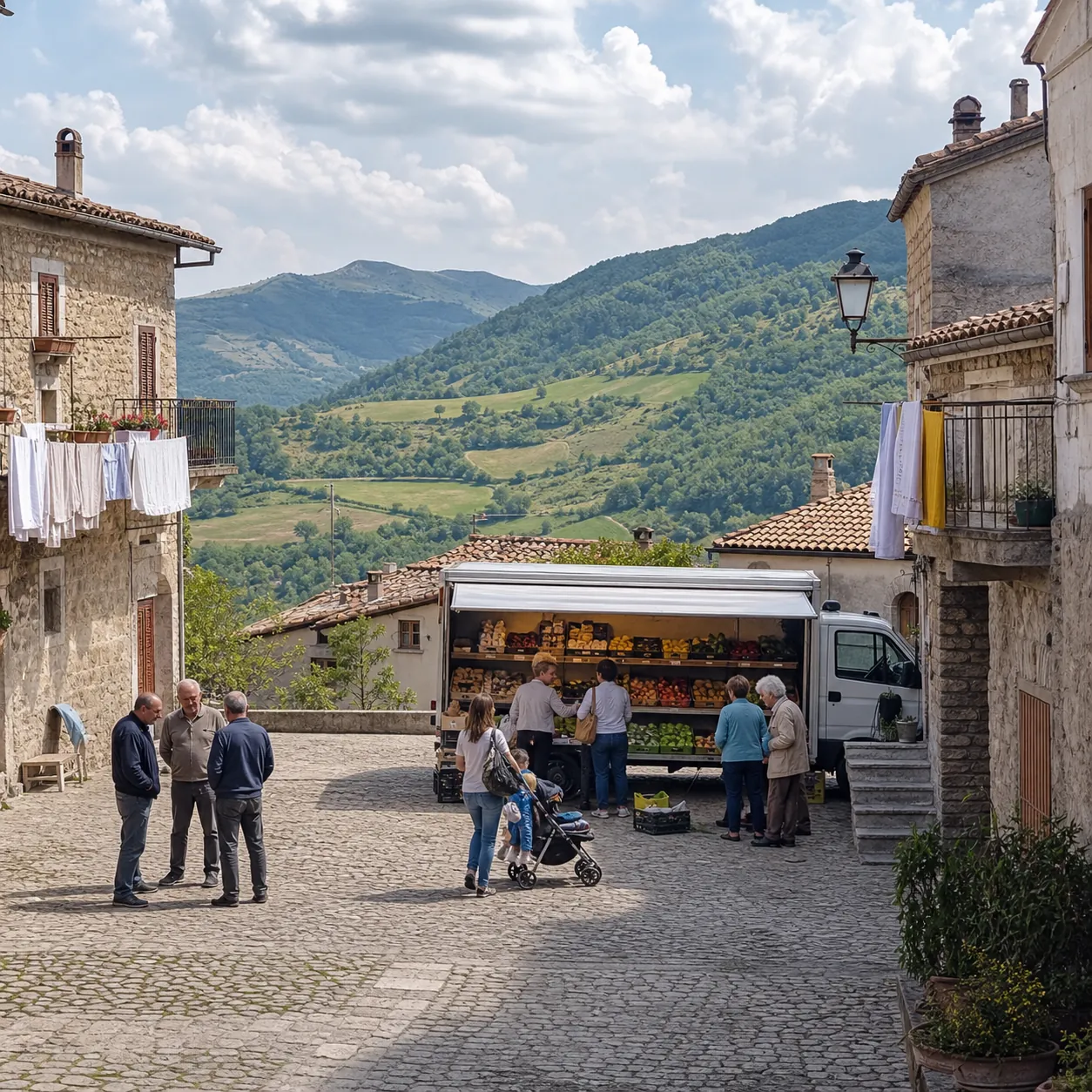
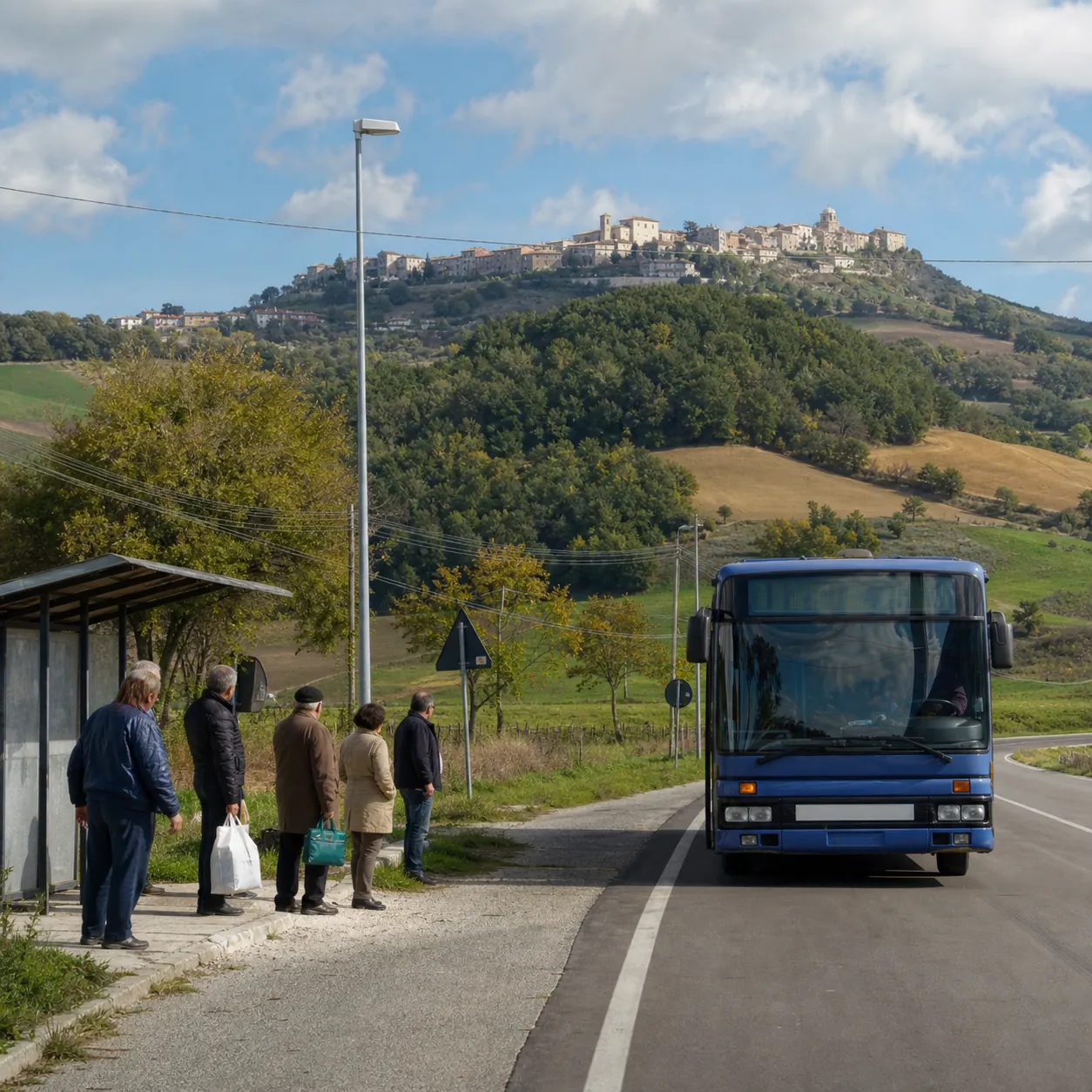
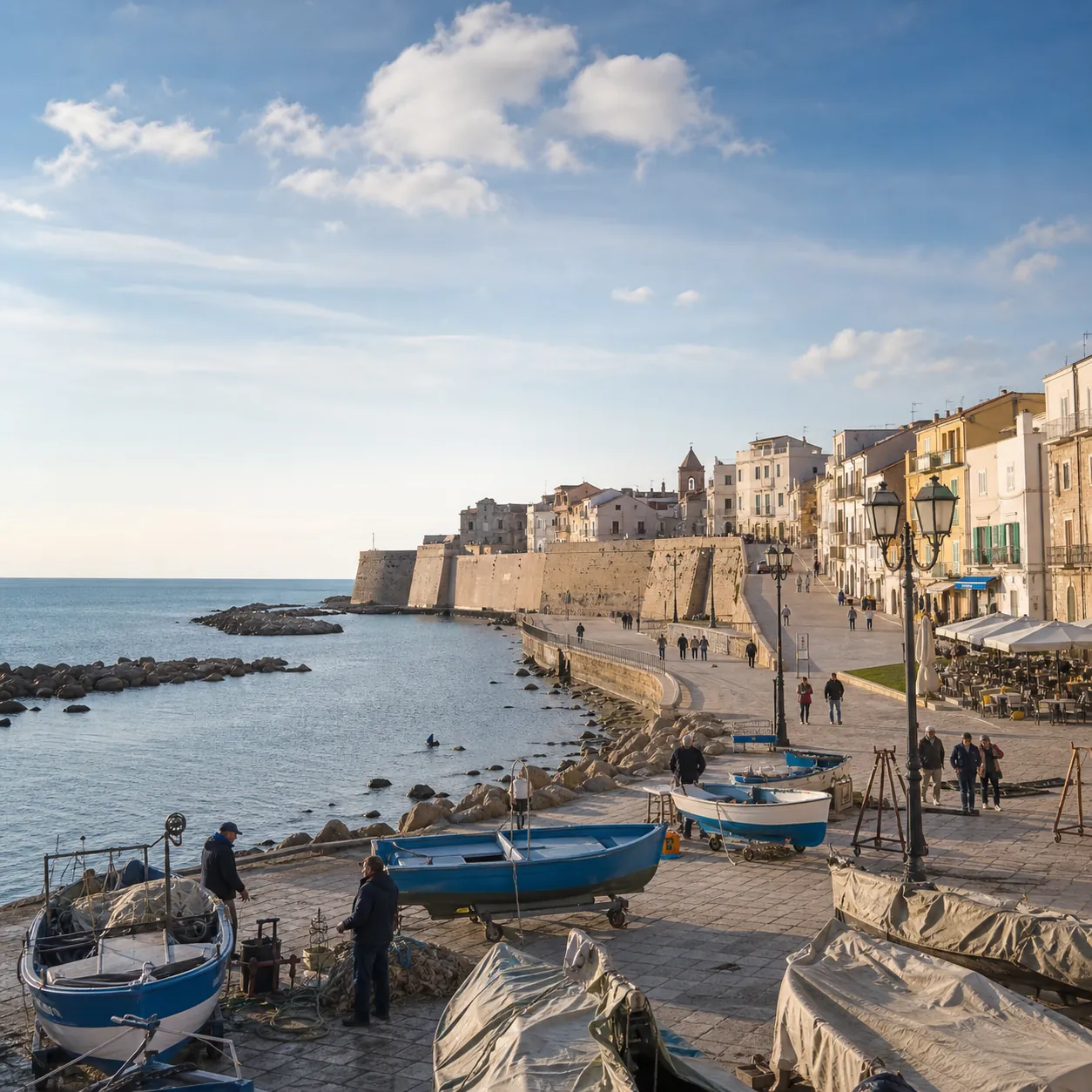
Illustrative scenes of regional life, created with AI.
Molise is one of Italy’s smallest and least populated regions. Everyday life here is generally quieter and more personal than in the country’s better-known destinations—but that simplicity comes with practical considerations.
Campobasso and Isernia provide the principal shops, schools, offices and essential services. They feel more like manageable provincial towns than busy cities, and daily routines tend to move at a gentler pace.
In smaller communities, the local bar, grocery shop, weekly market and even travelling food vans may still play an important part in village life. People often know one another, relationships matter and help can come through informal local networks. Newcomers may receive a warm welcome, but genuine integration takes time—and speaking Italian makes an enormous difference.
A car is often essential outside the main towns. Public transport exists, but services can be limited, particularly in rural and mountainous areas. Before choosing somewhere to live, it is important to test ordinary journeys to supermarkets, medical facilities, railway stations and other services you may need regularly.
Life also changes with the landscape. Inland Molise has colder winters, with snow possible at higher elevations, while Termoli offers a milder Adriatic setting, useful railway connections and a livelier summer season. Even there, winter is noticeably quieter.
Molise could suit someone who values space, community, nature and an unhurried rhythm. It may be less suitable for anyone needing frequent international connections, extensive public transport or constant entertainment.
05 / Molise
Property market
Molise is one of Italy’s smallest and least internationally known regions. For buyers seeking affordability, tranquillity and a more traditional way of life, that may be part of its appeal.
Termoli is the region’s principal coastal market. Its old town, beaches, railway connections and year-round services make it very different from inland villages. Desirable coastal locations can command substantial premiums.
Campobasso and Isernia offer practical apartments and family homes within year-round communities. Their markets are supported by local employment, healthcare, education and everyday services rather than international tourism.
Inland Molise can offer traditional houses at low asking prices, but the lowest price does not necessarily represent the best value.
Before purchasing, consider
- Whether shops, healthcare and transport remain accessible throughout the year
- The property’s structural and seismic condition
- Roof, damp, drainage and heating requirements
- Planning and cadastral compliance
- Internet and utility connections
- Access, boundaries and water supply for rural properties
- The likely cost of renovation
- Future resale demand
Molise’s winters can be cold, particularly at higher elevations. An attractive stone house designed for occasional summer use may be expensive or uncomfortable to occupy throughout the year without substantial improvements.
Rental demand also varies. Termoli has a recognisable summer market, while inland properties usually require a more specialised strategy. Low acquisition costs should not be mistaken for guaranteed investment returns.
Molise can be ideal for buyers who genuinely want peace, space and integration into a smaller community. It is less suitable for anyone expecting constant entertainment, extensive international connections or an effortless resale market.
This guide offers general regional context. Local services, conditions and property rules should be checked for your chosen location and plans. Property decisions need individual technical, legal and financial advice.