01 / Liguria
Introduction
Liguria is a narrow crescent of land where mountains descend dramatically towards the Mediterranean. This unusual geography has shaped everything—from its colourful coastal villages and terraced hillsides to its food, architecture and way of life.
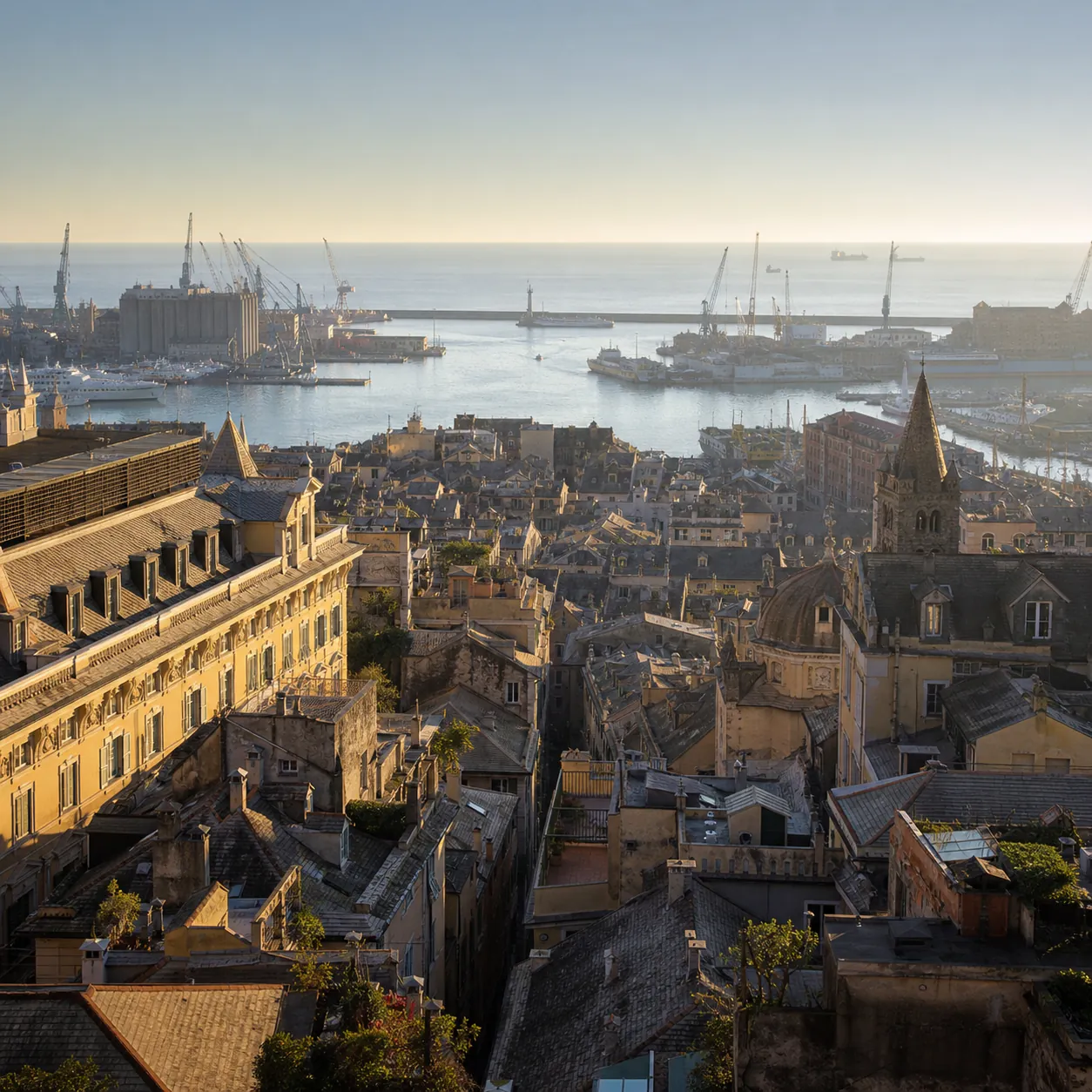
Genoa, the regional capital, has a proud maritime history. Its historic centre is a fascinating maze of narrow streets, grand palaces and hidden squares, while the harbour reflects the city’s centuries-old relationship with the sea.
Further along the coast, the five villages of the Cinque Terre cling to steep hillsides above the water, surrounded by terraces cultivated over generations. Portofino offers a more polished vision of the Italian Riviera, with colourful waterfront buildings gathered around its small harbour.
But Liguria is not only its famous coast. Inland and hillside villages offer quieter surroundings, olive groves, walking trails and wide views across the mountains and sea.
Living here can be wonderfully scenic, but the dramatic landscape also brings practical considerations. Roads may be narrow, parking can be limited and many properties involve steep streets or steps. Prices and seasonal crowds can also vary considerably between internationally famous resorts and lesser-known towns.
For the right person, Liguria offers a special combination: the sea, historic communities, mild Mediterranean scenery and easy access to both northern Italy and the French Riviera.
- Images:
- 1. Cinque Terre
- 2. Genoa and its historic harbour
- 3. Portofino
- 4. A Ligurian hillside village
02 / Liguria
Food & lifestyle
Liguria occupies a narrow curve of land between the mountains and the Mediterranean. That dramatic geography shapes both its lifestyle and its cuisine.
The region’s most famous creation is pesto Genovese, traditionally prepared by crushing fresh basil, pine nuts, garlic, cheese and olive oil in a marble mortar. It is commonly served with trofie or trenette pasta, often accompanied by potatoes and green beans.
Then there is focaccia Genovese: golden, soft and slightly crisp, marked by its characteristic dimples and finished with olive oil and salt. In Liguria, it is eaten at almost any time of day—including breakfast, sometimes dipped into coffee.
Farinata, a thin savoury pancake made from chickpea flour, is another simple but distinctive regional favourite. Stuffed vegetables, anchovies, seafood, vegetable pies and herbs all reflect a cuisine shaped by limited farmland and the nearby sea.
Liguria’s landscape demanded ingenuity. Terraces were constructed along steep hillsides for olive trees, vines, vegetables and basil. The result is a food culture that makes thoughtful use of fresh, aromatic ingredients rather than relying on heavy sauces.
Life here can be equally distinctive. Genoa provides the energy, culture and services of a historic port city. Elsewhere, pastel-coloured villages cling to hillsides, fishing harbours fill with small boats and walking routes connect communities along the coast.
The beauty comes with practical realities: many towns are steep, parking can be limited and homes may be reached by narrow lanes or flights of steps. Yet for people who love the sea, outdoor life and compact historic communities, those characteristics can also be part of Liguria’s charm.
An evening passeggiata beside a harbour, focaccia from a local bakery and dinner on a terrace overlooking the water capture the rhythm of this remarkable region.
03 / Liguria
Places & experiences
Liguria occupies a narrow strip of land between the mountains and the sea. That geography has shaped everything: its compact towns, steep terraces, working harbours, coastal paths and spectacular views.
Genoa
Genoa is a historic maritime city with a personality very different from Italy’s more polished tourist centres. Its narrow caruggi lead between grand palaces, small shops and hidden squares before opening towards the Porto Antico. It is layered, energetic and best discovered gradually.
The Cinque Terre
Monterosso, Vernazza, Corniglia, Manarola and Riomaggiore cling to a dramatic section of coastline shaped by generations of agricultural work. The villages are connected by rail, sea and walking routes, while terraced vineyards rise steeply above the water. Their beauty is undeniable, although their popularity means that timing a visit carefully matters.
Portofino
Portofino’s small harbour is framed by pastel buildings and wooded hills. It has an international reputation for luxury, but its appeal begins with the natural setting, coastal walks and views across the protected promontory.
Sanremo and the Riviera dei Fiori
Western Liguria has a different character. Sanremo combines Belle Époque architecture, gardens, palms, a historic centre and a long coastal cycling route. The surrounding Riviera dei Fiori is known for its mild climate and flourishing Mediterranean vegetation.
Liguria demonstrates how much variety can be contained within a very small geographical area—from a major working port to celebrated villages, exclusive harbours and relaxed western Riviera towns.
04 / Liguria
Everyday life
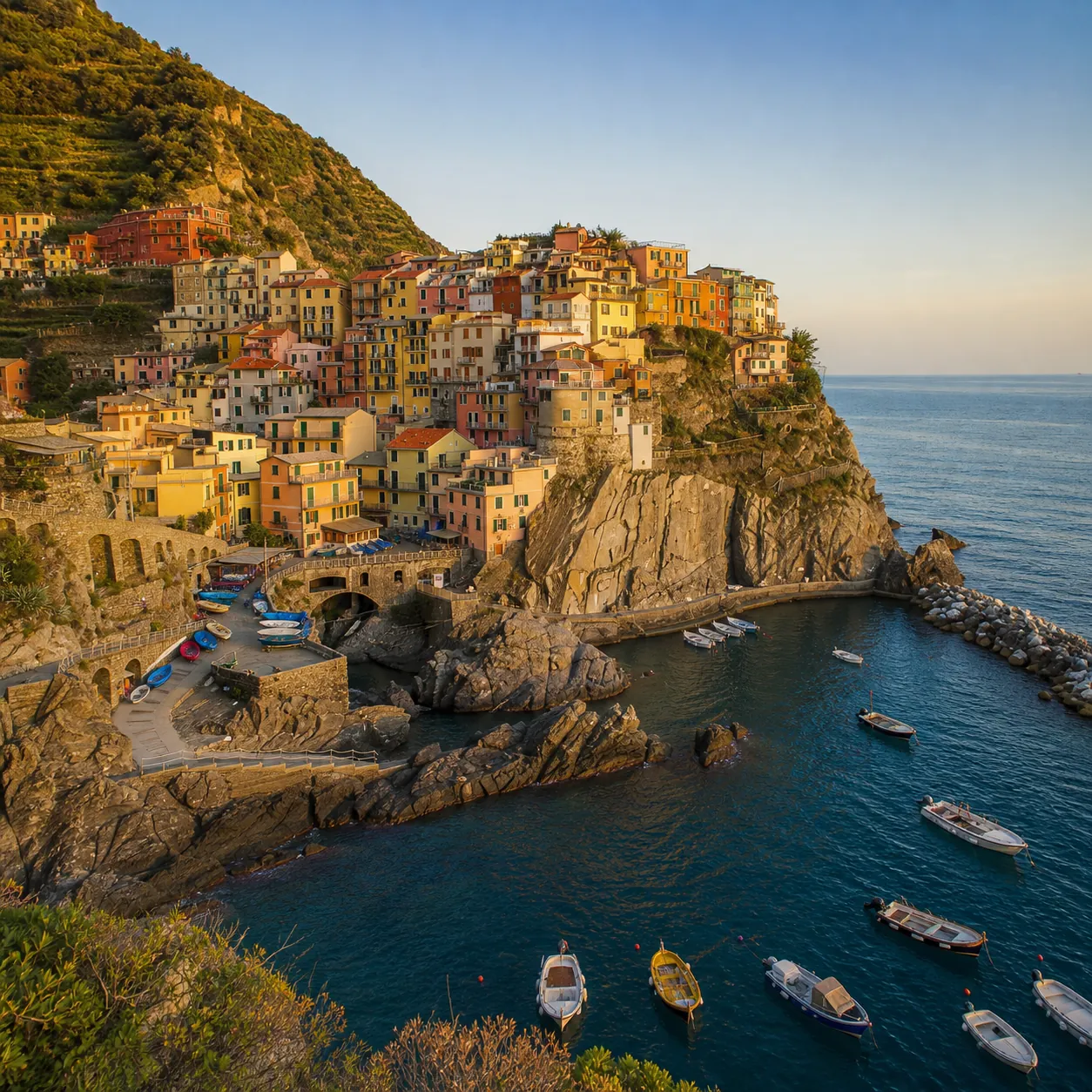
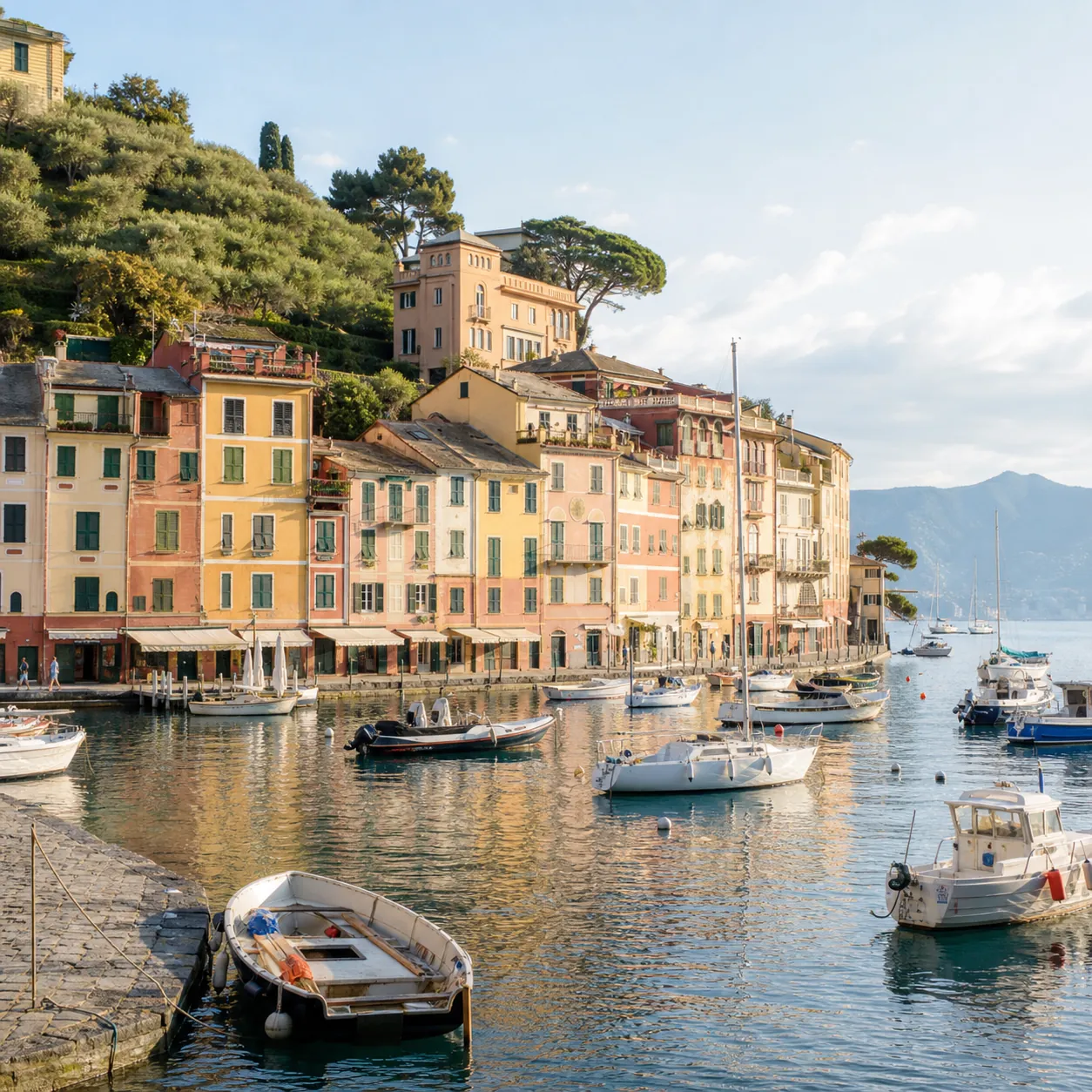
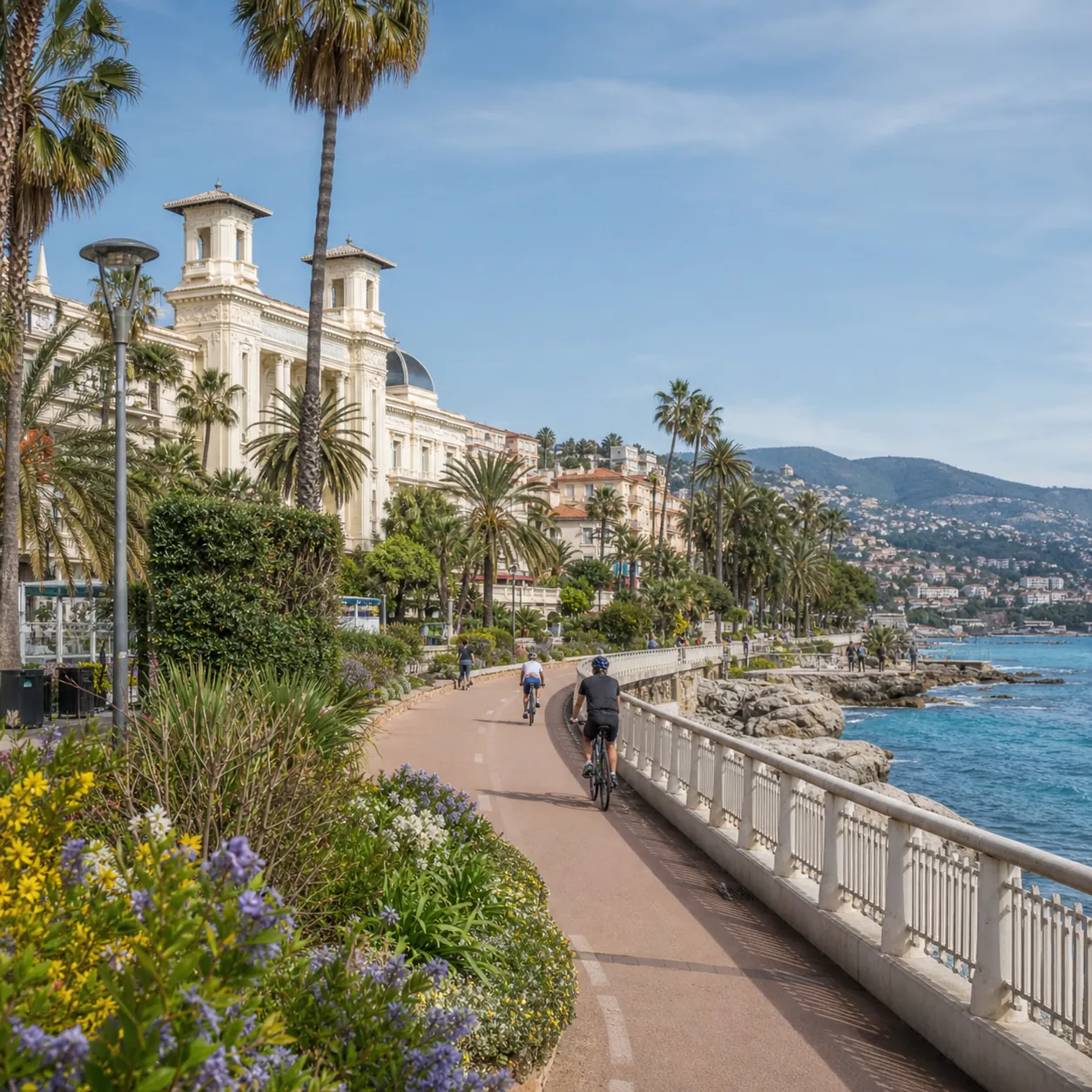
Illustrative scenes of regional life, created with AI.
Liguria’s coastline, colourful towns and mild climate make it easy to fall in love with. Living there, however, means understanding how its dramatic geography shapes almost every part of everyday life.
The mountains meet the sea along a narrow strip of land, leaving limited space for roads, homes and services. Towns are often built vertically, with steep lanes, staircases and houses climbing the hillsides. A property that appears close to the centre or the sea may involve a demanding walk, numerous steps or difficult parking.
Genoa is the region’s main city: historic, energetic and sometimes intense, with important employment, transport and healthcare facilities. Elsewhere, life is organised around smaller coastal towns such as Sanremo, Imperia, Savona, Varazze, Rapallo, Chiavari and La Spezia, as well as quieter inland communities.
Regional trains are extremely important and connect much of the coast. In many towns they are more practical than driving, particularly during summer when roads and parking become congested. Reliability and convenience vary, however, and living above the coastal railway may still require a bus, scooter, car—or a great many steps.
The climate is generally milder than in much of northern Italy, allowing people to enjoy the waterfront and outdoor life for a large part of the year. Local markets, small shops, morning coffee and the evening passeggiata remain part of the daily rhythm. The sea is not only scenery: ports, fishing, boating and tourism continue to influence local life and employment.
Space is at a premium. Homes may be smaller, outside space limited and parking valuable. Maintenance also matters: salt, humidity, steep terrain and older buildings can create additional costs. Heavy rain can cause disruption, particularly in areas vulnerable to flooding or landslides, so the precise location and condition of a property require careful investigation.
The most famous coastal destinations can be expensive and very busy during the season. In winter, some smaller resort towns become much quieter. Inland Liguria may offer better value and more space, but services and transport are often reduced and driving can involve narrow, winding roads.
Liguria may suit someone who values the sea, a mild climate and compact communities more than large homes, easy parking or flat surroundings. It can work especially well when the location is chosen according to everyday mobility rather than the view alone.
A magnificent view loses some of its charm if every shopping trip involves carrying bags up a long flight of steps.
05 / Liguria
Property market
Liguria’s narrow coastline, steep hills and limited building land help create one of Italy’s most distinctive property markets.
Yet the regional average tells only part of the story.
Genoa includes a broad range of neighbourhoods and property types. Its city centre and eastern districts can operate differently from other parts of the urban market.
Along the coast, places such as Camogli, Chiavari and Rapallo each have their own market. A sea view, terrace, easy access and private parking can make a significant difference.
Travel inland and asking prices can fall sharply. Buyers may find traditional houses and attractive villages at a fraction of coastal prices, but should consider access, local services, renovation costs and the depth of the future resale market.
In Liguria, the practical details are particularly important.
A beautiful hillside property may involve numerous steps, difficult parking or no vehicular access. Buyers should investigate retaining walls, drainage, local landslide and flood risk, roof and terrace responsibilities, humidity, salt exposure and condominium expenditure. Even renovation costs can rise when materials cannot easily reach the property.
A magnificent view may capture your heart—but you still need to understand how the property will work in everyday life.
This guide offers general regional context. Local services, conditions and property rules should be checked for your chosen location and plans. Property decisions need individual technical, legal and financial advice.