01 / Piemonte
Introduction
Framed by the Alps in north-western Italy, Piemonte is a region of quiet elegance, dramatic landscapes and remarkable variety.
Its capital, Turin, was Italy’s first capital and remains one of the country’s most graceful cities. Its grand boulevards, historic cafés, arcaded streets and impressive architecture reflect a rich royal and industrial past.
Beyond Turin, the landscape changes beautifully. The vineyard-covered hills of the Langhe, Roero and Monferrato lead to medieval villages, castles and country homes. To the north are the shores of Lake Maggiore, while the western and northern edges of the region rise into spectacular Alpine valleys.
Piemonte can offer very different ways of living: the culture and convenience of a major city, the tranquillity of wine country, elegant lakeside towns or the slower rhythm of a mountain community.
What stands out most is its understated character. Piemonte does not always demand attention, but it rewards those who take the time to explore it.
02 / Piemonte
Food & lifestyle
Piemonte sits at the foot of the Alps, sharing borders with France and Switzerland. Its landscape moves from mountains and lakes to elegant cities, rice fields and the vineyard-covered hills of the Langhe, Roero and Monferrato.
Its cuisine is rich, refined and deeply connected to the seasons.
One of the region’s greatest treasures is the white truffle of Alba. During autumn, its distinctive fragrance appears on menus throughout the area, often shaved over tajarin—delicate ribbons of egg pasta—or simple dishes that allow the truffle to remain the star.
Agnolotti del plin are small filled pasta parcels whose name refers to the little “pinch” used to seal them. Bagna càuda is a warm sauce traditionally made with garlic, anchovies and olive oil, shared at the table with raw and cooked seasonal vegetables.
Piemonte is also one of Italy’s great rice-producing regions. Around Vercelli and Novara, wide rice fields have shaped both the landscape and local cuisine. Risotto appears in many forms, sometimes prepared with regional wine, cheese, sausage or seasonal mushrooms.
Panissa Vercellese is a particularly traditional rice dish made with beans and local sausage.
The region’s woodlands also provide porcini mushrooms, which are used in risotto, pasta, soups and rich autumn recipes. Together with truffles, they make autumn an especially important season on the Piedmontese table.
Other regional classics include vitello tonnato, brasato al Barolo and bollito misto accompanied by traditional sauces.
Piemonte is also known for exceptional cheeses, including Castelmagno, and for hazelnuts from the Langhe. Those hazelnuts helped shape the region’s celebrated chocolate tradition, from gianduiotti to the many combinations of chocolate and hazelnut found in Turin’s historic cafés.
Wine is inseparable from the landscape. Barolo and Barbaresco are the internationally famous names, but the region produces an extraordinary range of wines, including Barbera, Dolcetto, Roero Arneis and sparkling wines from Asti.
Turin offers an elegant urban lifestyle of arcaded streets, cafés, museums and aperitivo. Beyond the city, vineyards, rice fields, Alpine valleys and lakes provide a quieter rhythm.
03 / Piemonte
Places & experiences
Piemonte is a region of striking contrasts: elegant cities, vineyard-covered hills, peaceful lakes and dramatic Alpine scenery.
Turin was Italy’s first capital after unification. Its grand Baroque squares, historic cafés, royal residences and long covered arcades give the city a refined character. The Egyptian Museum, the Mole Antonelliana and the impressive Piazza Castello offer plenty to discover, but Turin is also a city to experience slowly—perhaps over coffee and chocolate in one of its beautiful historic cafés.
South of Turin, the Langhe presents a completely different landscape. Vineyards roll across the hills between medieval villages, castles and country roads. This is a wonderful area for scenic drives, walking, wine experiences and exploring small towns where the pace of life feels noticeably slower.
Lake Orta is smaller and quieter than many of northern Italy’s better-known lakes. The lovely village of Orta San Giulio looks across the water towards Isola San Giulio, creating one of the most peaceful and romantic settings in Piemonte.
For something more dramatic, the Sacra di San Michele rises from a rocky mountain ridge above the Susa Valley. Reaching the abbey requires some effort, but the architecture, history and views make the experience unforgettable.
This is what makes Piemonte so interesting: city culture, countryside, lakes and mountains are all found within the same region, yet each area offers a completely different experience.
04 / Piemonte
Everyday life
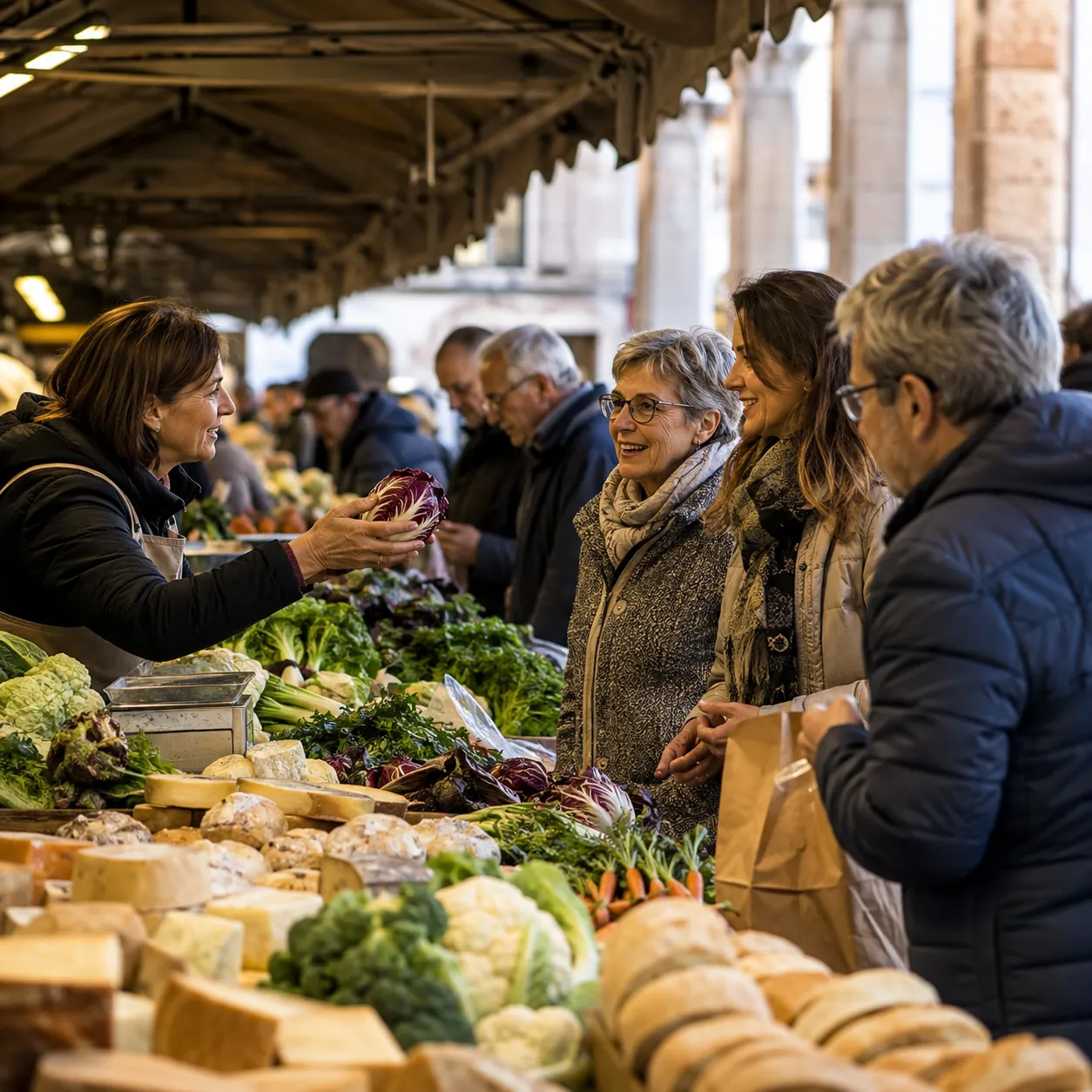
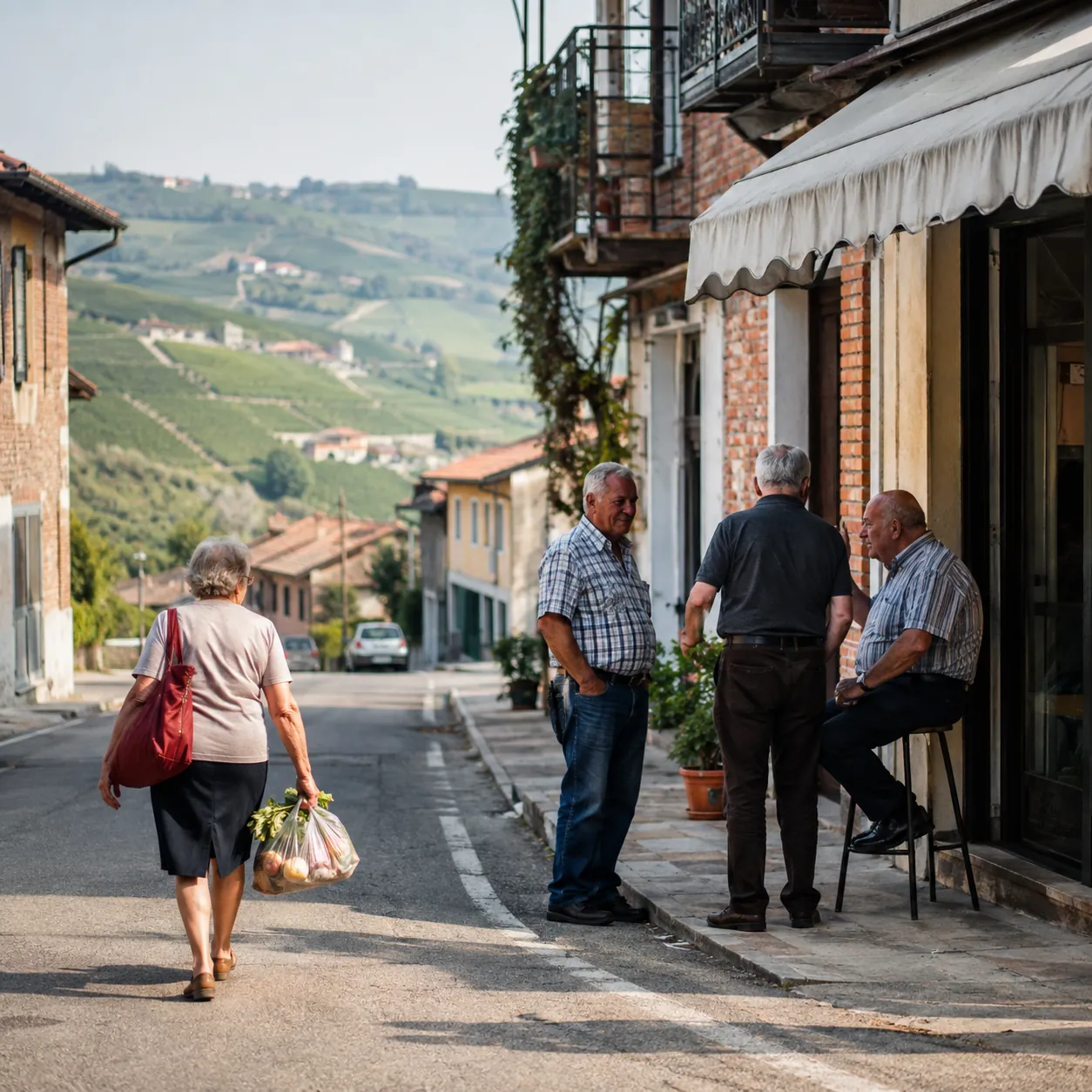
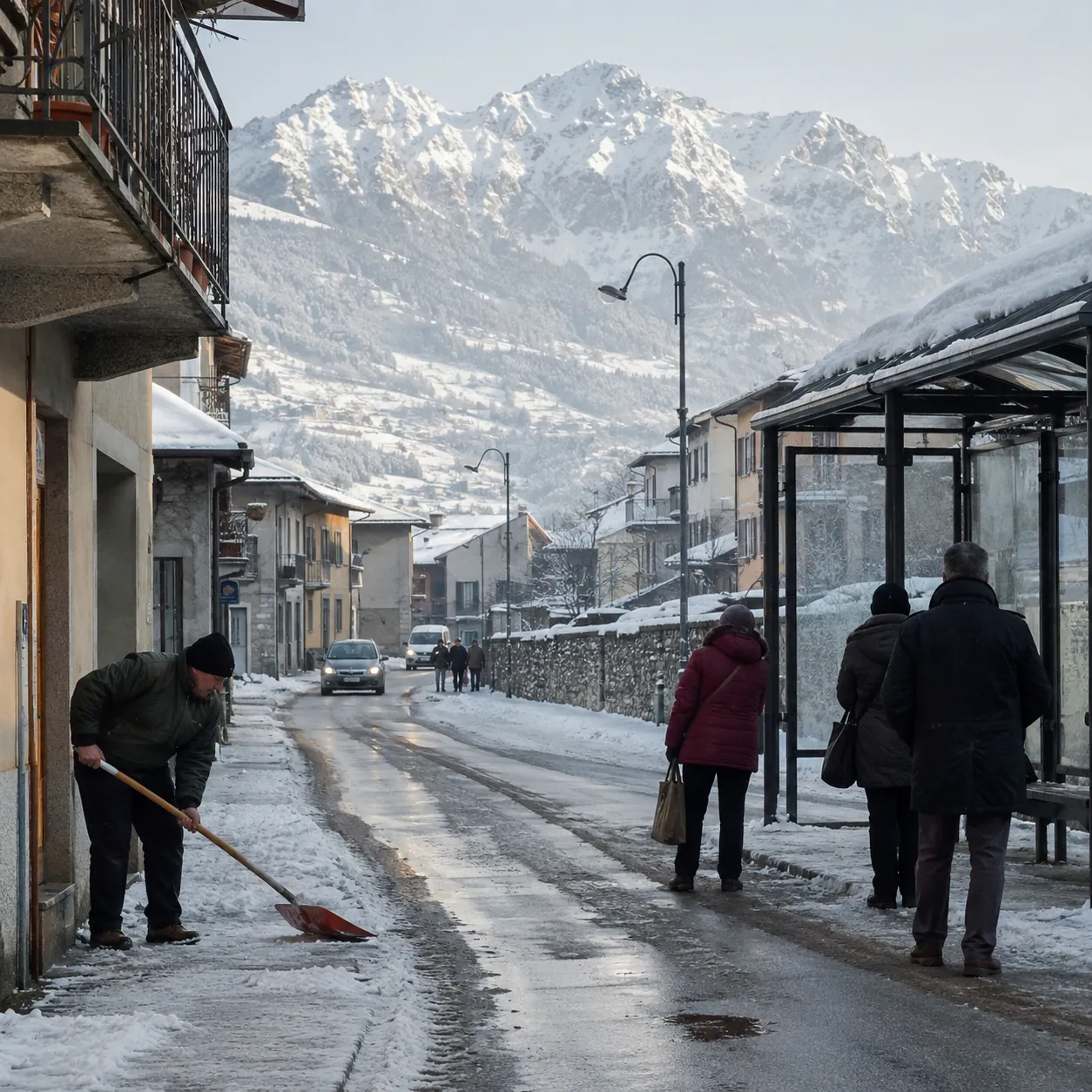
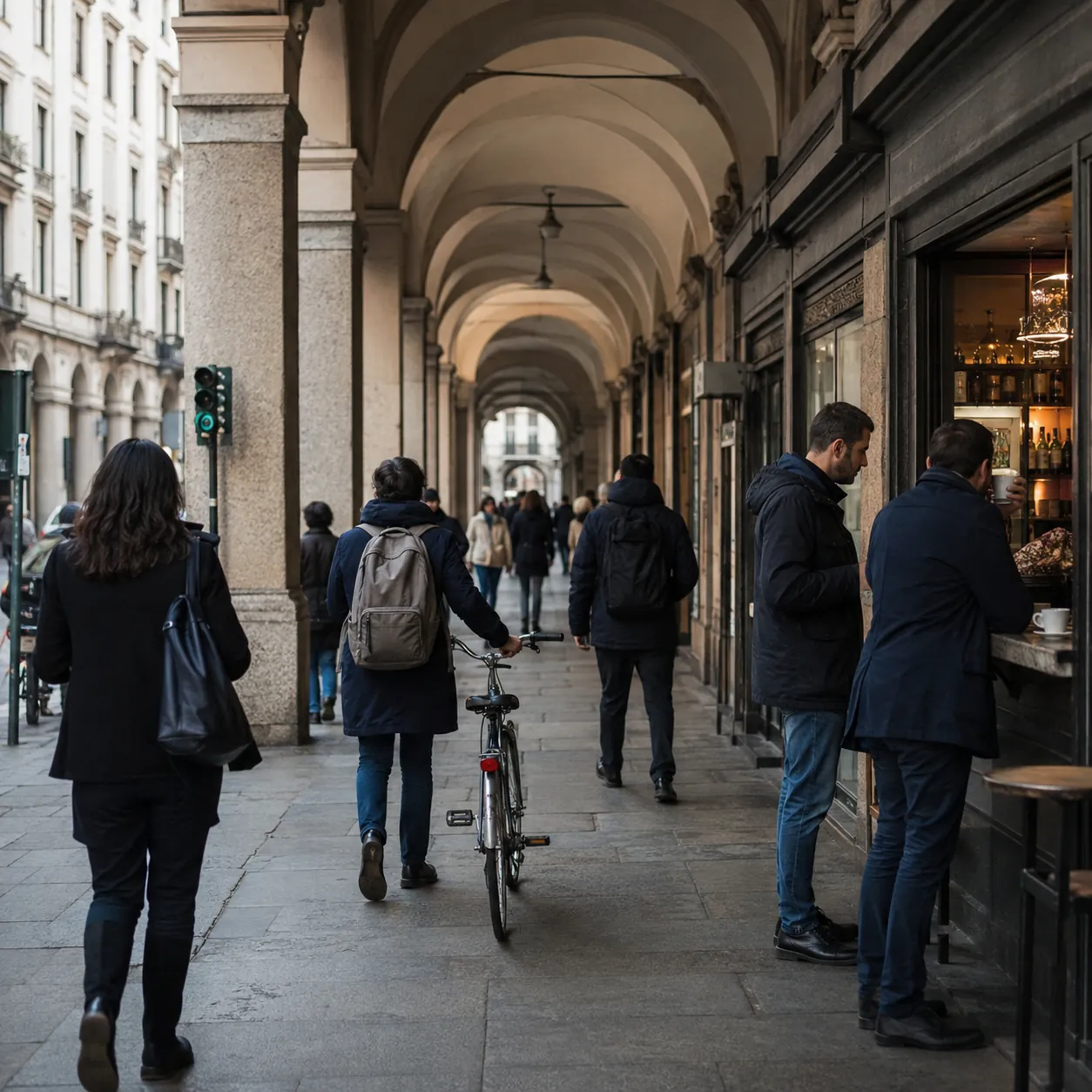
Illustrative scenes of regional life, created with AI.
Piemonte is often associated with Turin, wine and the Alps, but everyday life here is remarkably varied. Living in central Turin, a provincial town, the wine-growing hills or an Alpine community creates four very different experiences.
Turin is elegant and organised, with grand avenues, extensive porticoes, established neighbourhoods and an efficient public transport system. It feels substantial without being as overwhelming as Milan. Residents can rely on trams, buses and the metro, while cafés, markets, shops and cultural institutions form part of daily city life.
The city’s industrial history remains important, but Turin has also developed strong technology, education, design and service sectors. It offers employment, major hospitals, universities and excellent rail connections with Milan and other northern Italian cities.
Outside Turin, places such as Novara, Alessandria, Asti, Cuneo and smaller provincial towns offer a slower and often more affordable lifestyle. Daily life tends to remain centred on neighbourhood shops, local markets, family and familiar routines. These locations may provide space and practicality without complete isolation, although services and transport vary.
In the Langhe, Roero and Monferrato, vineyard landscapes are genuinely beautiful, but they are also working agricultural areas—not simply romantic scenery. Village life can be peaceful and sociable, although a car is normally essential. Some services may be several kilometres away, and travelling between apparently nearby places can involve winding roads.
The northern plains around Vercelli and Novara have a different character again, with agriculture, rice fields and useful connections towards Milan. They may not offer the celebrated views of the wine country, but they can be more practical for everyday travel and employment.
Climate deserves serious consideration. Summers can be hot and humid on the plains, while winters are cold and may be grey or foggy. Alpine and higher rural areas experience snow, ice and more demanding driving conditions. Heating costs and the energy efficiency of a property are therefore important.
Piemonte may suit people who appreciate culture, good food, defined seasons and a more reserved social atmosphere. Relationships may take time to develop, especially in smaller communities, but local connections can become strong and genuine.
The region offers an attractive balance between city services and countryside, often at prices below comparable areas of Lombardia or Tuscany. However, the right choice depends on whether you need employment, public transport, healthcare and year-round activity—or are genuinely comfortable with rural life and driving.
Would your Piemonte life be in elegant Turin, a smaller town, the vineyard hills or near the mountains?
05 / Piemonte
Property market
Piemonte offers one of northern Italy’s most varied property markets: an important city, famous wine country, Alpine landscapes, elegant lakes and rural areas where prices can remain surprisingly accessible.
Turin offers year-round employment, universities, transport and cultural life, but prices and demand vary greatly between neighbourhoods.
Outside the city, the picture changes. The Langhe and other internationally recognised wine areas attract buyers looking for country houses, vineyards and hospitality opportunities. Lake locations can command a premium for views and proximity to the water, while parts of Alessandria and rural Piemonte offer substantially lower prices.
A low-priced country house may still require considerable investment. Buyers should investigate structural condition, roofs, damp, heating, access, land boundaries, utilities and the planning status of every building. For properties intended as rentals, location and realistic year-round demand matter as much as appearance.
Piemonte can offer excellent value—but Turin, the lakes, the wine country and a quiet rural village serve completely different lifestyles.
This guide offers general regional context. Local services, conditions and property rules should be checked for your chosen location and plans. Property decisions need individual technical, legal and financial advice.