01 / Sardinia
Introduction
Sardinia is often called “the little continent” because it contains so many different landscapes, traditions and ways of life within one island.
Many people know Sardinia for the glamorous Costa Smeralda, but that is only one small part of its story.
The north-west offers Alghero’s Catalan character and beautiful coastline. The south combines the energy and services of Cagliari with long beaches and welcoming communities. The west feels wilder and less discovered, with places such as the Sinis Peninsula. The east has dramatic mountains, coves and turquoise water, while the interior reveals ancient villages, traditions and a completely different rhythm of life.
Why consider buying in Sardinia?
Extraordinary coastline and natural beauty
A mild Mediterranean climate Strong local identity, food and traditions Three airports connecting different parts of the island Choices ranging from city apartments and village homes to countryside properties and coastal villas Different areas and budgets beyond the famous luxury destinations
What should buyers consider carefully?
- Sardinia is an island, so travel and logistics require planning
- A car is essential in many areas
- Some coastal locations become very busy in summer and extremely quiet in winter
- Flight routes and local services can be more seasonal outside the principal towns
- Renovating in remote areas may require additional coordination
- Prices vary enormously between internationally famous resorts and lesser-known locations
Sardinia can be ideal for buyers who value nature, privacy, community and a slower pace of life—but choosing the right area is everything.
As a Sardinian, I know that there is no single “Sardinian lifestyle.” The island changes from coast to coast and from village to village. Finding your place means looking beyond the postcard and understanding how you genuinely want to live.
02 / Sardinia
Food & lifestyle
Sardinia is my home island.
For Sardinians, food is family, memory and identity. Recipes, preparation methods and little secrets are passed from one generation to the next, and almost every town has its own specialities.
Bread is at the heart of the Sardinian table. Pane carasau once travelled with shepherds because its thin, crisp sheets could be preserved for long periods. Pasta is equally important: malloreddus, fregula and beautifully braided culurgiones each tell the story of the area where they originated.
Sardinian cooking reflects both the land and the sea. Inland, you will find pecorino cheese, lamb and traditionally roasted porceddu. Along the coast, seafood, tuna and bottarga take centre stage.
In Alghero, the town where I was born and raised, one of the most celebrated dishes is aragosta alla catalana—or aragosta all’algherese. Mediterranean spiny lobster is served simply with tomatoes, red onion, olive oil and lemon.
The dish reflects Alghero’s Catalan heritage, which remains part of the town’s language, culture, architecture and cuisine. This distinctive identity is one of the reasons Alghero is often known as “Barceloneta”—little Barcelona.
Then come the desserts. Seadas are filled with fresh cheese, fried and served warm with honey, while other traditional sweets vary according to the village, season and celebration. Sardinian wines include Cannonau, Vermentino, Malvasia and Alghero’s own Torbato.
But Sardinian life is about much more than a list of dishes. Meals are shared and rarely rushed. Village festivals, traditional music, dancing and clothing continue to express a strong sense of belonging.
In summer, everyday life moves outdoors. Families gather around long tables, towns come alive in the evening and the passeggiata often continues until late. Yet the lifestyle changes enormously between the coast, farming communities and mountain villages.
For me, these are not simply traditions I have read about. They are part of where I come from. Sardinia—and Alghero in particular—shaped my understanding of Italian life and taught me that to know a place properly, you must understand how its people live, gather and eat.
03 / Sardinia
Places & experiences
Sardinia is famous for its extraordinary coastline—but experiencing the island properly means looking far beyond its beaches.
You can sail or kayak into secluded coves, walk beside Alghero’s historic sea walls at sunset, hike through the rugged landscapes of the Supramonte and Gennargentu, or explore archaeological sites left by one of Europe’s most fascinating ancient civilisations.
Thousands of nuraghi are scattered across the island. These mysterious stone towers, together with ancient villages, tombs and sacred sites, reveal a Sardinia that existed long before the holiday resorts appeared. Su Nuraxi at Barumini is the best-known example, but remarkable archaeological places can be discovered throughout the island.
In my hometown of Alghero, a walk through the Catalan-influenced old town and along the bastions can be followed by a boat trip, a visit to Neptune’s Grotto or an excursion towards Capo Caccia. Nearby, the Nuragic village of Palmavera and the prehistoric necropolis of Anghelu Ruju offer another glimpse into the island’s ancient past.
Nature lovers can explore protected islands such as Asinara, walk through mountain landscapes, discover inland villages or travel along coastal roads where the scenery changes around every bend.
Sardinia can be peaceful or adventurous, sophisticated or wonderfully wild. The experience depends entirely on where you go—and that is precisely why understanding its different areas is so important when considering a home here.
04 / Sardinia
Everyday life
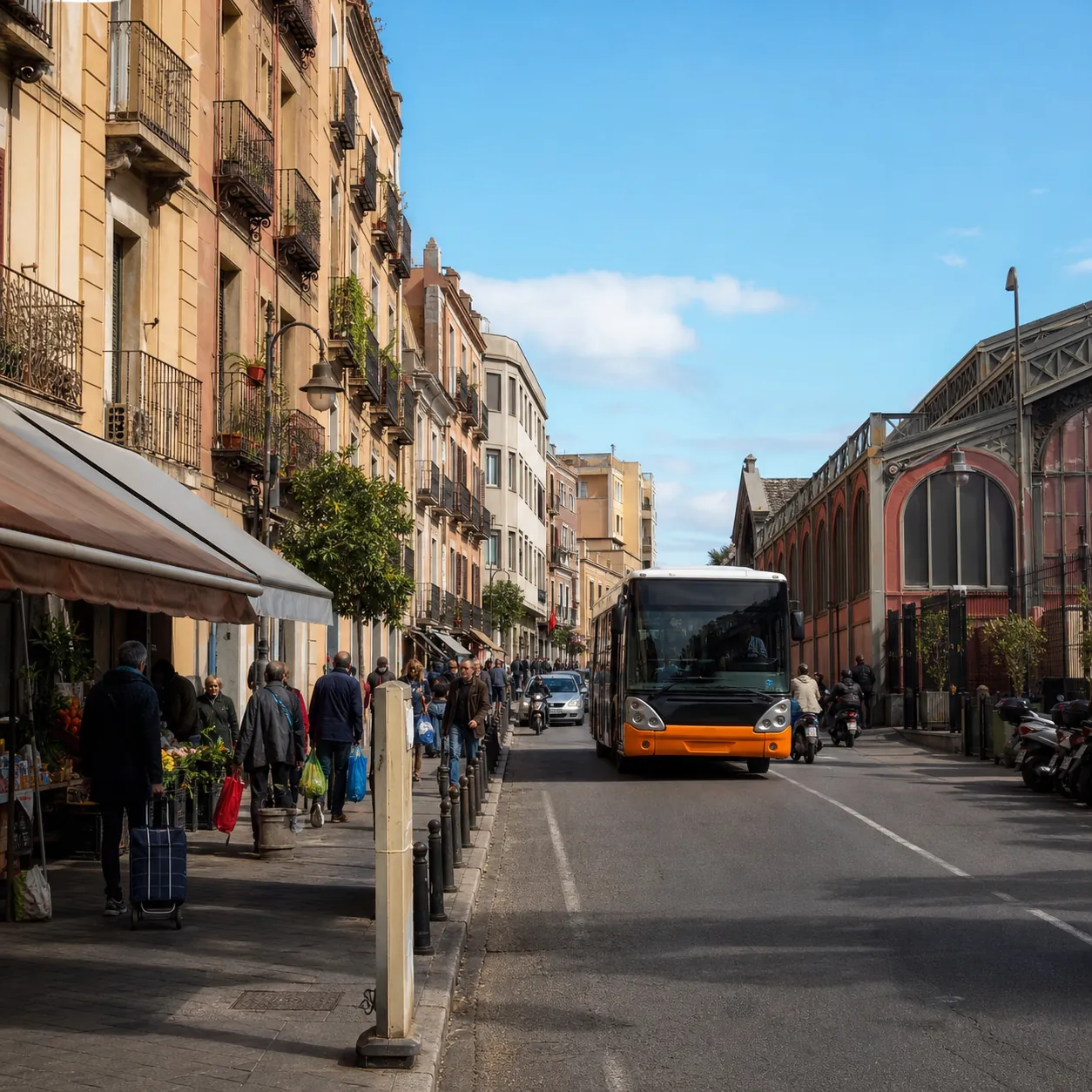
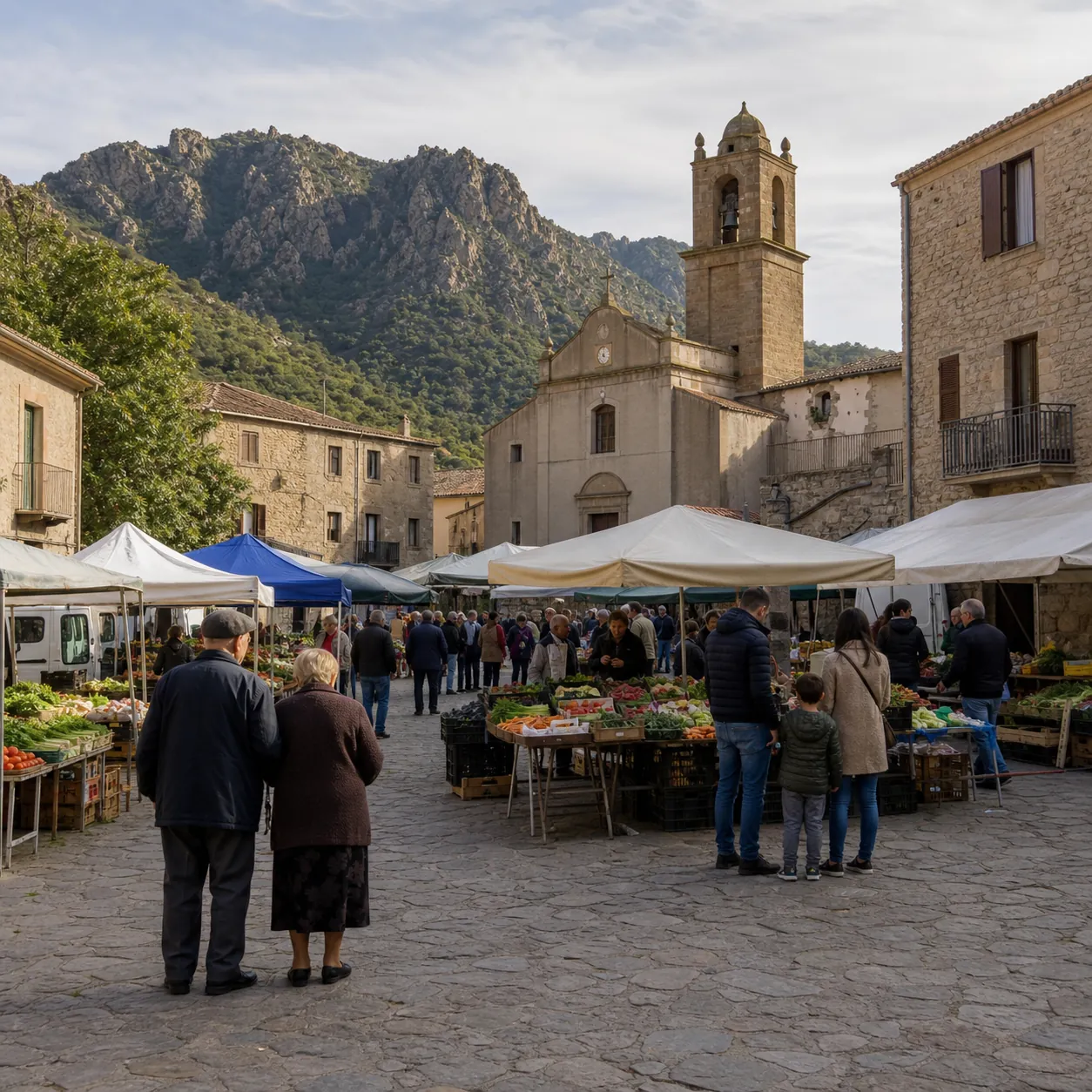
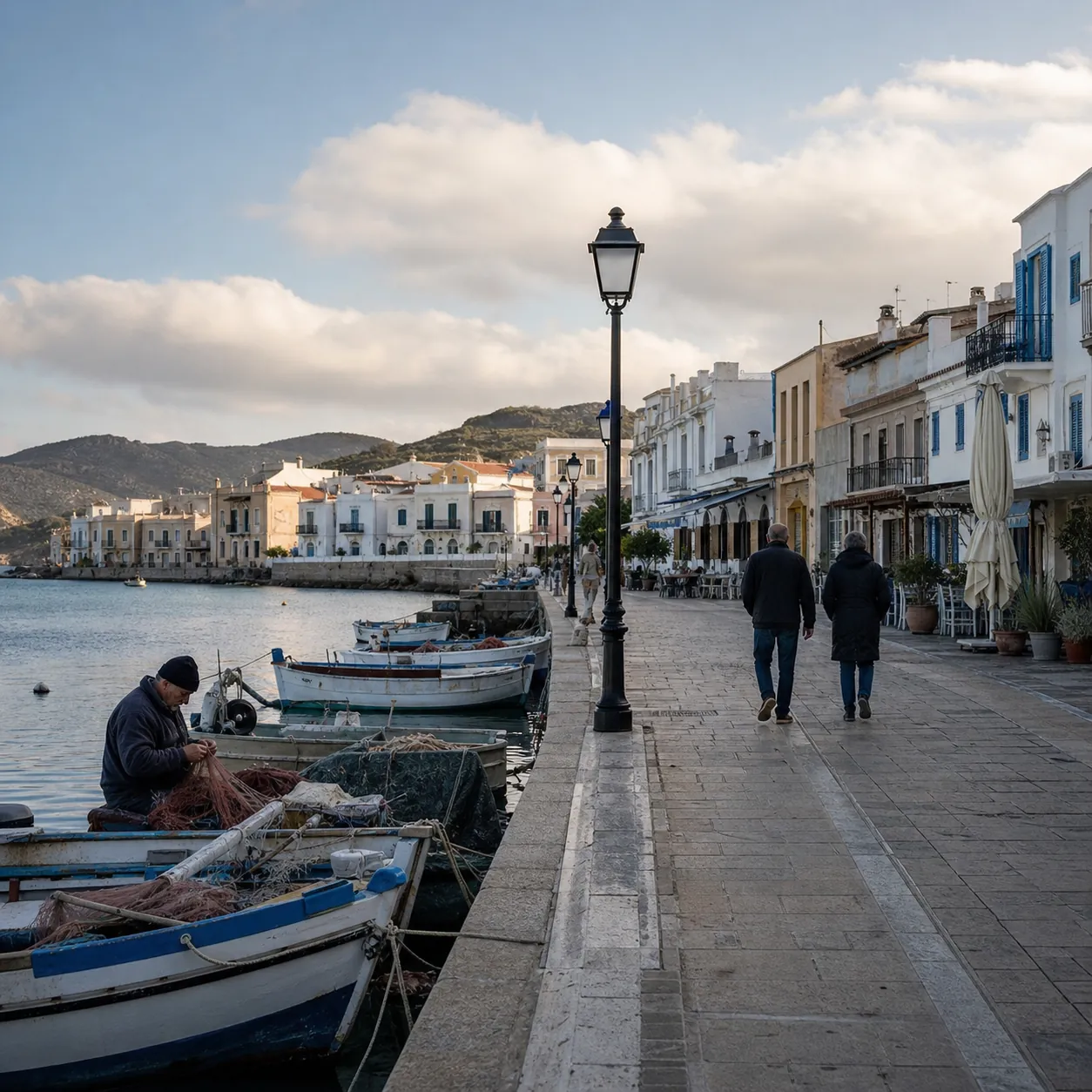
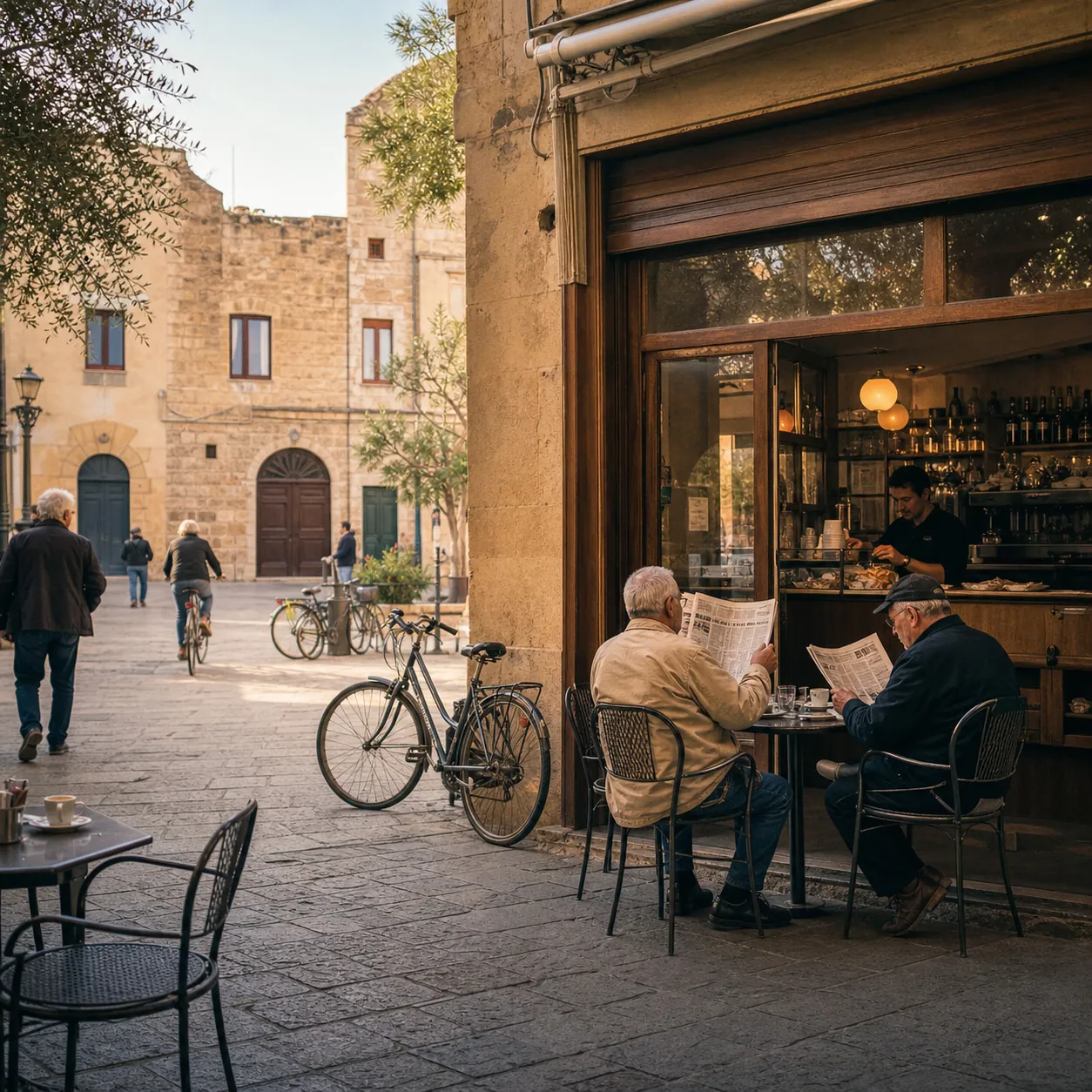
Illustrative scenes of regional life, created with AI.
Most visitors discover Sardinia through its beaches, but living on the island throughout the year is a very different experience.
As someone born and raised in Sardinia, I know that everyday life here cannot be described with one picture. Cagliari offers the services, activity and conveniences of a regional capital. Sassari, Olbia and Alghero each have their own rhythms, while life in a small inland village or seasonal coastal community can feel completely different.
In smaller communities, life is often personal. Your barista may remember your coffee, shopkeepers get to know you and neighbours notice when you have been away. These relationships can create a wonderful sense of belonging—but people accustomed to complete anonymity may need time to adjust.
A car is often important outside the main urban areas. Distances may look short on a map, but routes, terrain and limited public transport can make everyday journeys longer than expected. Reaching mainland Italy also means planning around flights or ferries.
Seasonality matters enormously. A coastal town that is lively and crowded in August may become peaceful—and sometimes extremely quiet—in winter. Some businesses reduce their hours or close, while Cagliari and other larger centres maintain a more consistent year-round life. This is why I always recommend experiencing a prospective location outside the holiday season.
Daily routines can be simple and deeply enjoyable: breakfast at the bar, shopping at the local market, an evening passeggiata and time with family and friends. But administration and access to certain services can require patience, particularly away from the main towns. Speaking Italian—or having trusted local support—makes an enormous difference.
Sardinia can offer space, community and a gentler pace of life. The important question is not simply whether you love the island, but whether its everyday reality suits the life you want to create.
05 / Sardinia
Property market
When people imagine buying property in Sardinia, they often picture a villa overlooking turquoise water. Those properties certainly exist, but they represent only one part of an extremely varied market.
The regional average hides a wide gap between premium coastal locations and more modest provincial and inland markets.
This is why saying that property in Sardinia is either “expensive” or “affordable” is far too simplistic.
The north-east, including the Costa Smeralda and parts of the Gallura coastline, contains some of Italy’s most exclusive property. Sea views, proximity to prestigious marinas, privacy and access to famous beaches can command exceptionally high prices.
Alghero has a broader market, with apartments in the historic centre, homes near the beaches and residential neighbourhoods where people live throughout the year. Its airport and established services make it attractive to international buyers, but location, parking, outdoor space and distance from the sea can produce considerable price differences.
Cagliari is primarily a year-round city market. Employment, hospitals, universities, transport and the Poetto beach support consistent demand, although values vary substantially between neighbourhoods.
Elsewhere, buyers may find coastal apartments, country houses, village homes and properties requiring restoration at considerably lower prices. But a low purchase price does not automatically make a property good value.
Before deciding, a buyer should consider
- Is the area active throughout the year or mainly during summer?
- How easy is it to reach an airport, hospital and essential services?
- Is the property suitable for permanent living or only short holidays?
- What maintenance will be required in a coastal environment?
- Are planning permissions, extensions and cadastral plans in order?
- Is tourism demand genuinely strong enough to support the expected rental return?
- Will the property be easy to sell again?
Older houses and rural properties may also require careful examination of boundaries, access, utilities, water supply and the true cost of renovation. A beautiful view should never replace proper technical and legal checks.
Sardinia can offer everything from an internationally recognised luxury market to modest village homes—but the right purchase begins by deciding what sort of life the property must support.
As someone born and raised in Sardinia, and having begun my own property career in Alghero, I know how different one part of the island can be from another. My role is not simply to help a buyer find a beautiful property. It is to help determine whether the property, location and price make sense for them.
This guide offers general regional context. Local services, conditions and property rules should be checked for your chosen location and plans. Property decisions need individual technical, legal and financial advice.