01 / Tuscany
Introduction
Perhaps Italy’s best-known region, Tuscany has shaped the world’s idea of Italian beauty: Renaissance cities, medieval hill towns, vineyards, cypress-lined roads and warm stone farmhouses surrounded by rolling countryside.
Florence is its artistic heart, home to extraordinary architecture and masterpieces that changed the course of European culture. Siena offers a different character, with its Gothic streets, neighbourhood traditions and magnificent Piazza del Campo.
Beyond the famous cities lie the landscapes of the Val d’Orcia, the vineyards of Chianti, the walled city of Lucca, historic towns such as Arezzo and Cortona, the wild countryside of the Maremma—and a coastline extending to the beautiful islands of the Tuscan Archipelago.
Tuscany’s international popularity is both an advantage and a challenge. It offers excellent connections, established international communities and an extraordinary quality of life, but its most celebrated locations can also be busy and expensive.
Look beyond the famous names, however, and Tuscany still contains quieter towns, working communities and landscapes where daily life retains a distinctly local rhythm.
From a city apartment to a village home, a rural retreat or a place near the sea, Tuscany offers many different versions of Italian living.
Is Tuscany the Italy you have always imagined—or would you prefer to discover one of the country’s less familiar regions?
02 / Tuscany
Food & lifestyle
Tuscany may be Italy’s best-known region internationally, celebrated for Florence, Renaissance art, rolling hills, vineyards and beautiful stone villages.
Yet behind the famous views is a strong rural tradition, and this is especially visible in its food.
Tuscan cooking grew from the idea that nothing good should be wasted. Stale bread becomes ribollita, pappa al pomodoro or panzanella. Beans, seasonal vegetables, olive oil and herbs create dishes that are simple, substantial and full of flavour.
The region’s bread is traditionally made without salt, making it the perfect companion for its strongly flavoured cheeses, cured meats and sauces.
Around Siena, you will find pici—thick, hand-rolled pasta traditionally served with garlic and tomato, breadcrumbs, cheese or rich meat sauces. Pappardelle is often paired with wild boar or other game.
One of Tuscany’s most famous dishes is bistecca alla fiorentina: a thick, bone-in steak cooked over a very hot grill and traditionally served rare. It is not simply a meal but something to share around the table.
The region is also known for finocchiona, lardo di Colonnata, Cinta Senese pork and Pecorino di Pienza. Its sweet traditions include cantucci with Vin Santo, panforte and ricciarelli.
Wine and olive oil are woven into the Tuscan landscape and calendar. Grape and olive harvests remain important social moments, bringing families and communities together.
Tuscan life is not limited to the postcard countryside. The experience changes between Florence, Siena, Lucca, the coast, the Maremma and the smaller inland villages. But across the region, food, landscape and history remain closely connected.
Would your perfect Tuscan table begin with pici, ribollita or bistecca alla fiorentina?
03 / Tuscany
Places & experiences
Tuscany may be Italy’s most internationally recognised region, but its appeal cannot be reduced to one familiar postcard. Its cities, hill towns and countryside offer very different experiences.
Florence
Florence contains an extraordinary concentration of Renaissance art and architecture. The Duomo dominates its terracotta rooftops, while its museums, churches, workshops and historic streets reward much more than a quick visit. Beyond the famous sights, Florence remains a living city with distinct residential neighbourhoods and a strong local identity.
Siena
Siena has preserved its medieval character remarkably well. Its historic districts unfold around Piazza del Campo, the shell-shaped square where the Palio horse race takes place. Exploring its narrow streets reveals quieter courtyards, churches and viewpoints away from the busiest routes.
The Val d’Orcia
The Val d’Orcia is the Tuscany many people imagine: rolling hills, cypress-lined roads, vineyards, olive groves and stone farmhouses. Towns such as Pienza and Montalcino provide beautiful bases from which to experience the countryside, local produce and a slower rhythm of life.
Lucca
Lucca offers something different again. Its intact Renaissance walls now form a broad, tree-lined route where residents walk and cycle above the historic centre. Inside the walls, elegant squares, churches and narrow streets create a city that feels cultured but manageable.
Tuscany’s beauty is undeniable, but its locations are not interchangeable. Living in central Florence would be very different from choosing a farmhouse in the Val d’Orcia or a home within Lucca’s walls.
04 / Tuscany
Everyday life
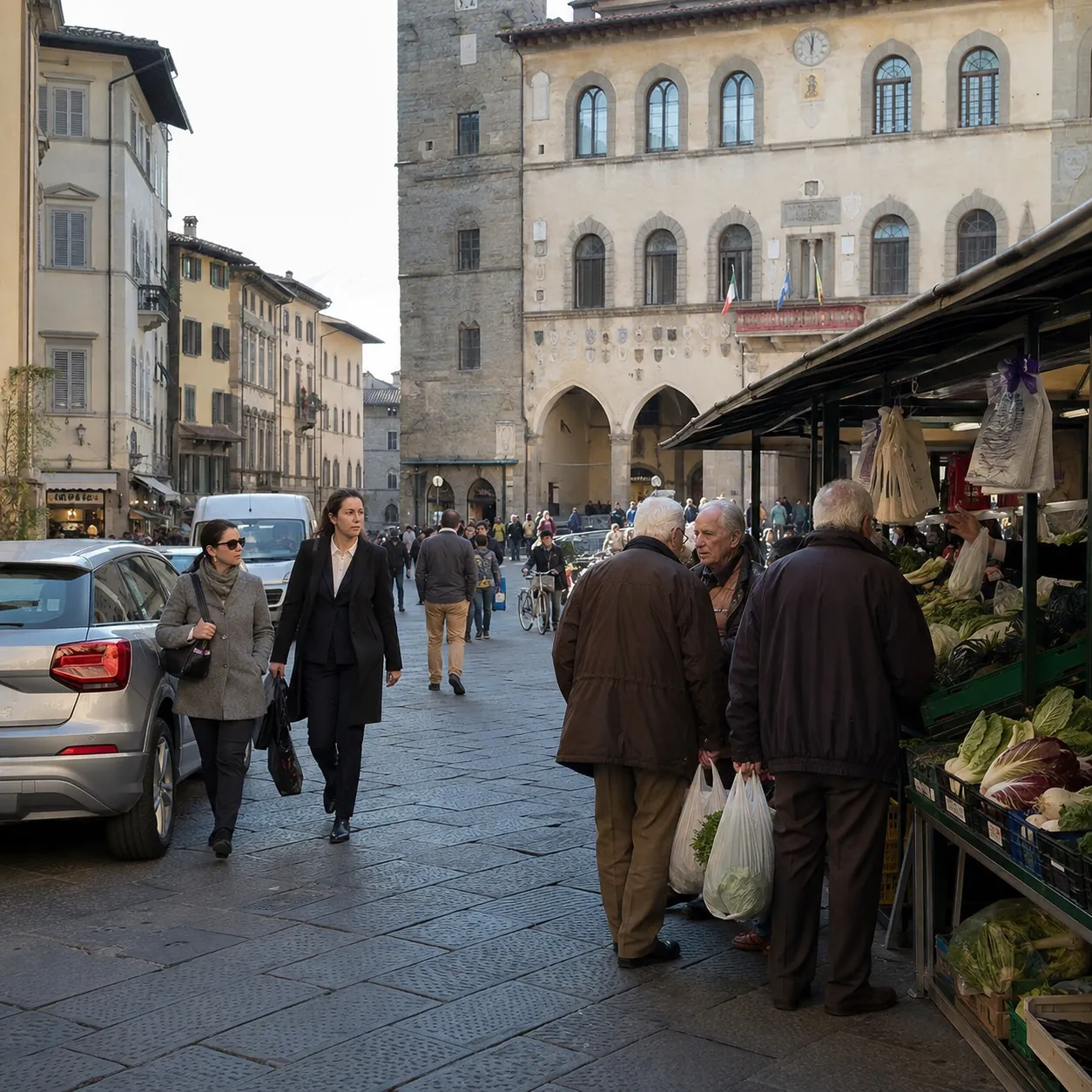
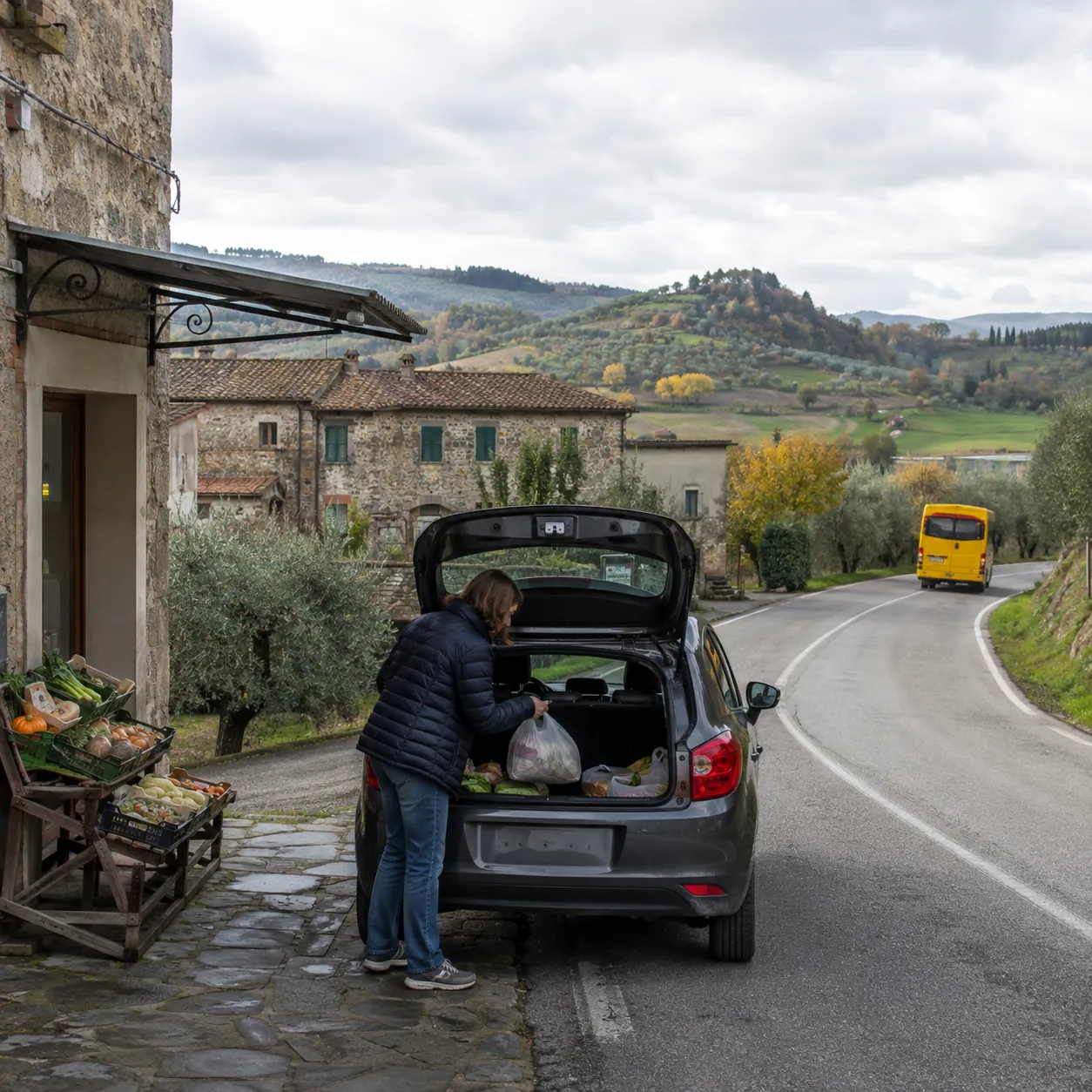
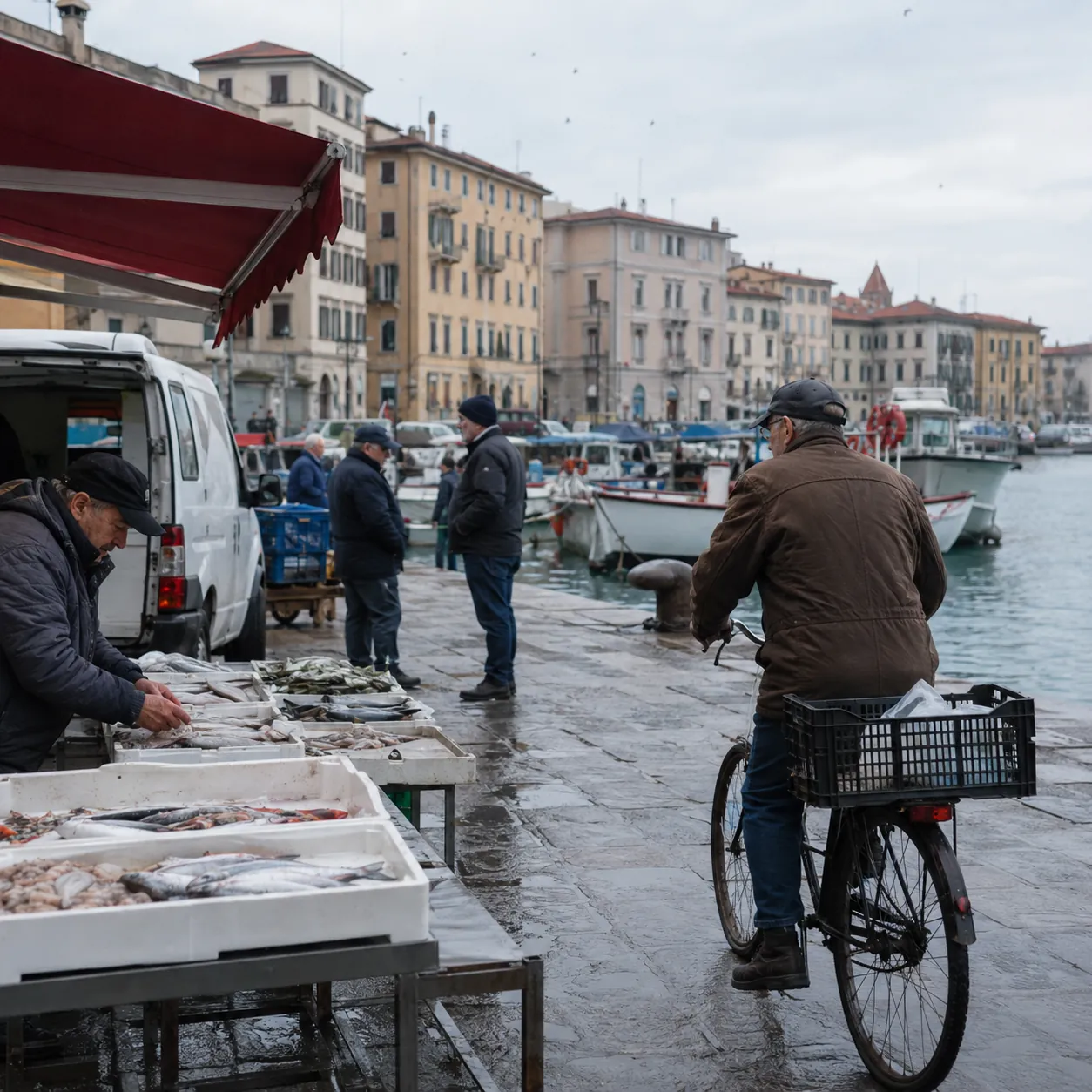
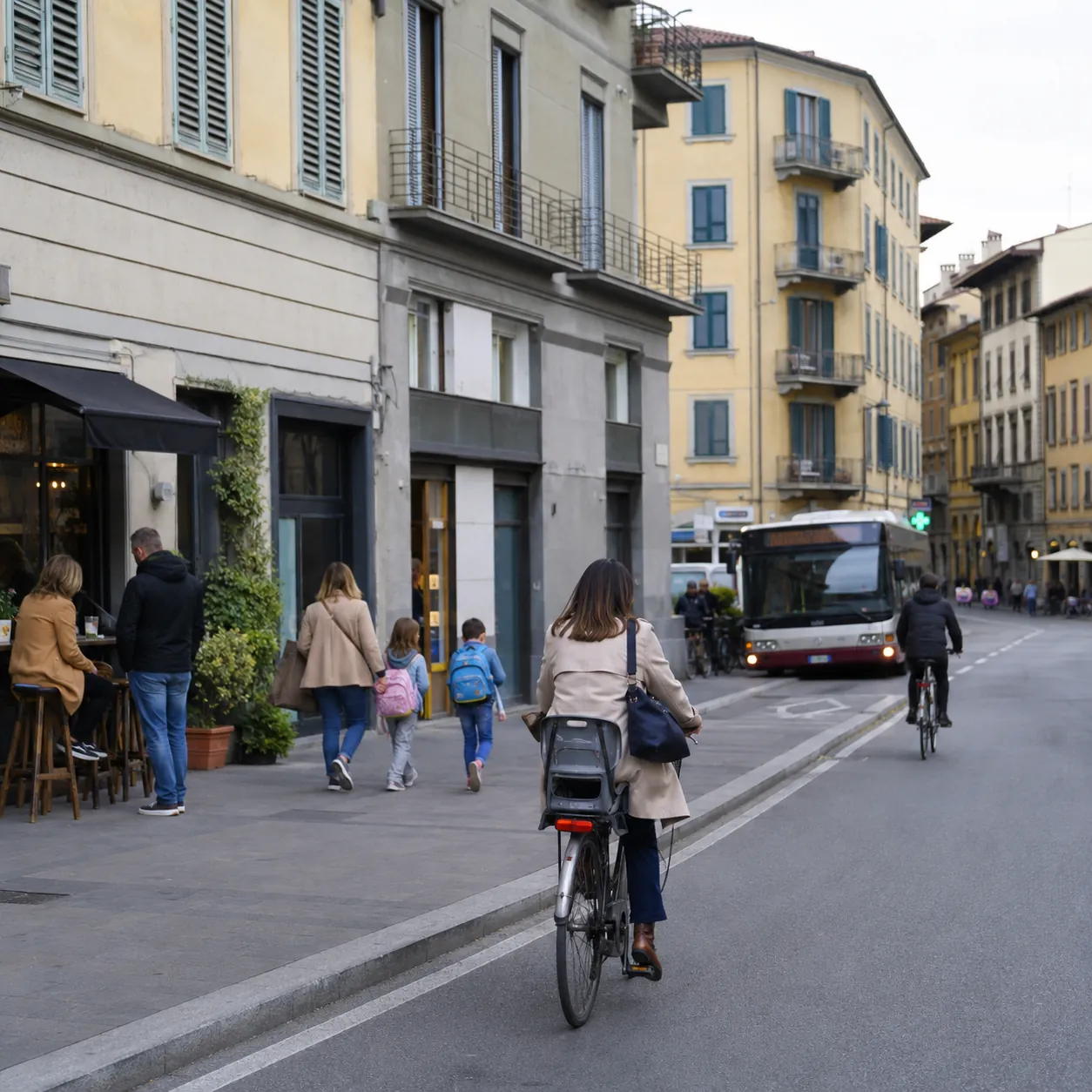
Illustrative scenes of regional life, created with AI.
Tuscany is one of the world’s most recognisable regions. Its landscapes, art cities, vineyards and stone farmhouses have created a very powerful image—but living here is not the same as spending a week on holiday.
Florence provides employment, universities, hospitals, public transport and extensive cultural life. It is beautiful and internationally connected, but the historic centre can be crowded and expensive, while residents’ everyday lives often take place in less photographed neighbourhoods.
Cities such as Lucca, Arezzo, Pistoia, Prato, Pisa and Siena offer distinct alternatives. Some provide useful railway connections and active town centres, while others feel smaller and more traditional. Each has its own employment, transport and service patterns.
Rural Tuscany can be peaceful and exceptionally beautiful, but daily life may involve driving considerable distances. A village that looks close on a map can be reached by winding roads, and shops, schools, healthcare and railway stations may not be nearby. Older country properties can also require more maintenance than a town apartment.
The coast presents another Tuscany entirely. Livorno is a working port city with a strong local identity, while smaller seaside towns can change significantly between summer and winter.
Public transport works well along certain railway corridors, but a car is usually necessary in the countryside. Learning Italian also becomes particularly important outside the most international areas.
Tuscany can offer culture, community and an excellent quality of life—but the famous view should never distract from practical questions. Where will you buy groceries? How long is the journey to a doctor? Is the town active in January? Can you manage without a car?
05 / Tuscany
Property market
Tuscany is one of the world’s most recognisable property destinations. Its historic cities, countryside, coastline and cultural reputation attract both Italian and international buyers.
That popularity can create the impression that every Tuscan property is automatically desirable or a reliable investment. The reality is far more varied.
Florence is a competitive and complex market. International demand, limited supply and the character of individual neighbourhoods make local research essential.
Elsewhere, buyers encounter different conditions. Historic towns such as Cortona have international recognition, while smaller inland communities and parts of Arezzo province may offer more accessible alternatives.
Country houses are among Tuscany’s most desired properties, but also among the easiest to underestimate. Before purchasing a farmhouse, buyers should investigate:
- Legal access and land boundaries
- Planning and cadastral compliance
- Whether outbuildings and extensions are authorised
- Structural and seismic condition
- Roof, drainage and retaining walls
- Wells, water supply and septic systems
- Heating, insulation and energy costs
- Agricultural obligations and land maintenance
- The cost of managing the property from abroad
A restored farmhouse can still require substantial annual maintenance. An unrenovated one may need an investment far beyond its initial asking price.
Historic townhouses bring different questions: restricted vehicle access, stairs, parking, listed-building requirements and the practical difficulty of completing renovation work.
Tuscany’s coastline also ranges from working towns and family resorts to exclusive international destinations. A coastal property should be assessed for salt exposure, humidity, winter services and genuine rental seasonality.
Tuscany can be an excellent long-term purchase, but its famous name is not a substitute for due diligence. Buyers should distinguish between lifestyle value, rental potential and future resale rather than assuming one property will automatically provide all three.
This guide offers general regional context. Local services, conditions and property rules should be checked for your chosen location and plans. Property decisions need individual technical, legal and financial advice.